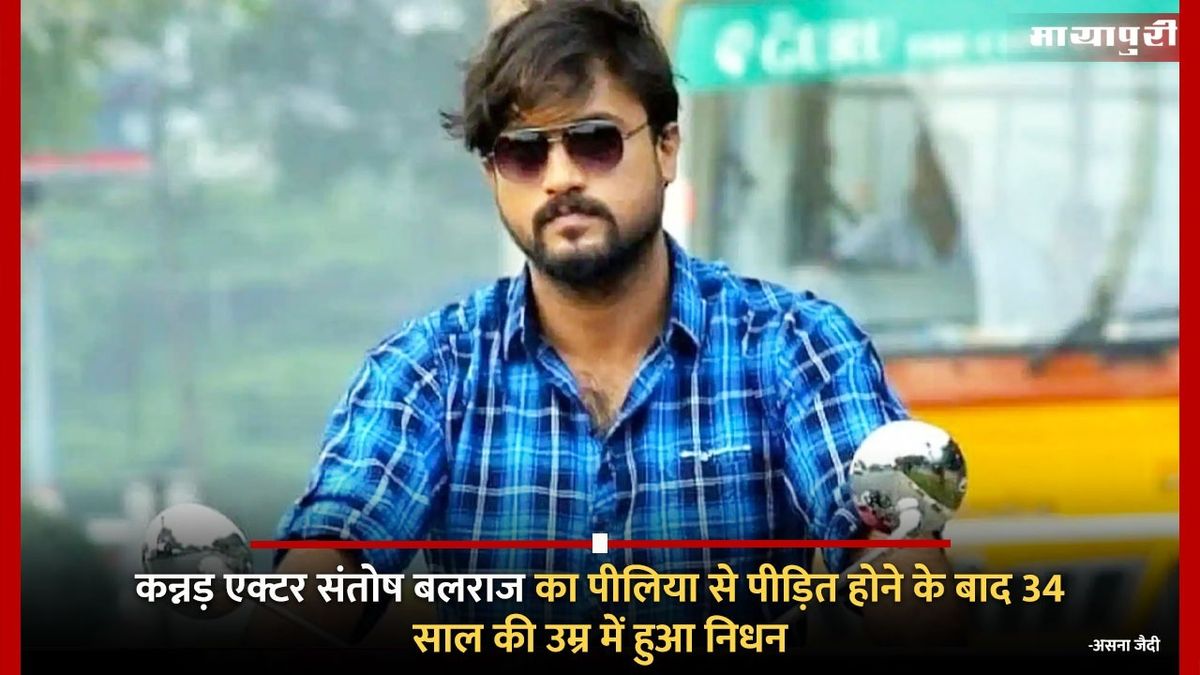
The sudden demise of 34-year-old Kannada actor Santhosh Balaraj on August 4, 2025, has sent shockwaves through India’s film industry and medical community. Known for his vibrant roles in hits like RangiTaranga and Operation Alamelamma, Balaraj’s death from severe jaundice complications underscores a critical health message: what many perceive as a temporary condition can swiftly turn fatal. As tributes pour in from co-stars and fans, this tragedy forces a reckoning with liver disease awareness. Let’s explore Balaraj’s journey, the illness that claimed his life, and the life-saving lessons we must heed.
Who Was Santhosh Balaraj?
Born on September 15, 1990, in Karnataka, Santhosh Balaraj began his career in television before transitioning to Kannada cinema. His breakthrough came with Anup Bhandari’s 2015 mystery thriller RangiTaranga, a cult classic that redefined Kannada neo-noir. Balaraj’s portrayal of Siddhu, a loyal friend entangled in supernatural chaos, won him widespread acclaim. He followed this with standout roles in Sarvajanikarige Suvarnavakasha (2019) and the comedy Operation Alamelamma (2017), showcasing his versatility. Colleagues remembered him as “a powerhouse of positivity” who elevated every scene with his energy.
The Final Days: A Rapid Health Collapse
In late July 2025, Balaraj was hospitalized in Bangalore with acute jaundice—a condition causing yellowing of the skin/eyes due to bilirubin buildup. Initial reports suggested routine treatment, but his condition deteriorated alarmingly. Within days, he faced liver inflammation, kidney strain, and multi-organ failure. Doctors revealed he’d ignored early symptoms like fatigue and abdominal pain, attributing them to a hectic filming schedule. By August 4, despite aggressive dialysis and medication, he succumbed to complications. His death highlighted a grim reality: jaundice is often a red flag for severe underlying issues like hepatitis, liver cirrhosis, or bile duct blockages.
Jaundice: When a “Common” Illness Turns Deadly
Jaundice affects over 60% of newborns globally but is less frequent and more dangerous in adults. It arises from:
- Liver dysfunction (e.g., viral hepatitis, alcohol damage)
- Red blood cell breakdown (e.g., malaria, sickle cell anemia)
- Bile duct obstruction (e.g., gallstones, tumors)
While mild cases resolve with hydration and rest, severe jaundice can trigger:
- Acute liver failure: The organ ceases toxin filtration.
- Encephalopathy: Toxins like ammonia attack the brain.
- Sepsis: Systemic infection spreads rapidly.
As noted in IndiaTV News’ medical analysis, Balaraj’s case mirrors fatalities where patients delay treatment until irreversible damage occurs. Dr. Priya Nair, a hepatologist at Apollo Hospitals, warns, “Jaundice in adults demands immediate diagnostics. Waiting even 48 hours can be lethal.”
Industry Mourns a Bright Star Lost
The Kannada film fraternity rallied in grief. Superstar Puneeth Rajkumar tweeted, “Devastated by Santhosh’s passing. A brilliant artist gone too soon.” Director Anup Bhandari, who launched Balaraj in RangiTaranga, called him “the soul of our set.” Fans flooded social media with clips of his iconic comic timing, using #RIPSanthoshBalaraj. The Karnataka Film Chamber of Commerce announced a fund for his family, emphasizing his financial struggles amid medical costs—a stark reminder of the industry’s gaps in healthcare support.
Health Takeaways: Preventing Another Tragedy
Balaraj’s death spotlights actionable lessons:
- Never Ignore Symptoms: Yellow skin/eyes, dark urine, or unexplained fatigue warrant urgent blood tests.
- Liver Care is Non-Negotiable: Limit alcohol, avoid unregulated supplements, and vaccinate against hepatitis A/B.
- Regular Check-Ups: Actors and high-stress professionals need biannual liver screenings.
The WHO stresses that early intervention could prevent 90% of jaundice-related deaths. Resources like the American Liver Foundation offer free risk assessments.
Legacy Beyond the Screen
Off-camera, Balaraj mentored young actors and funded rural film workshops. His final project, Mugilpete (2024), tackled Karnataka’s environmental crises—a cause he championed. As filmmaker Rakshit Shetty noted, “He used stardom to speak for the voiceless.”