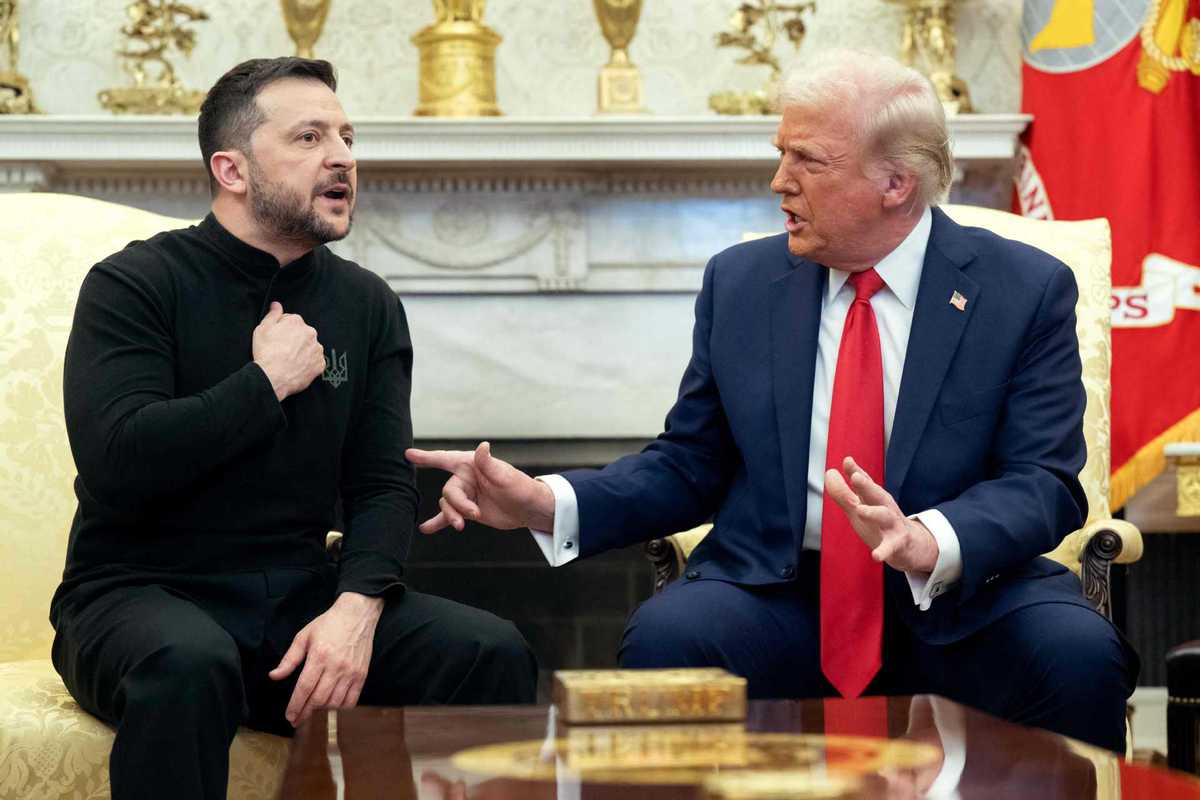
The August 18, 2025, meeting between former U.S. President Donald Trump and Ukrainian President Volodymyr Zelensky at the White House dominated global headlines, reigniting debates about Ukraine’s war strategy, U.S. foreign policy, and NATO’s future. With the Russia-Ukraine conflict entering its fourth year, this high-stakes discussion offered critical insights into potential geopolitical realignments. Here’s an in-depth analysis of what transpired—and why it matters.
The Meeting’s Critical Context
Why Timing Mattered
Zelensky’s visit coincided with heightened tensions:
- Ukraine’s stalled counteroffensive in Donbas and Crimea.
- U.S. Congress debating a $61 billion aid package.
- Trump’s lead in 2024 presidential polls, signaling potential policy shifts.
As Zelensky stated: “This isn’t just diplomacy—it’s survival.”
5 Key Discussion Points Revealed
1. U.S. Military Aid: Conditions and Accountability
Trump emphasized “accountability-first” aid, demanding:
- Audits of U.S.-supplied weapons.
- European nations matching 50% of U.S. funding.
- A “winning strategy” timeline by Q1 2026.
Why it’s significant: Echoes Trump’s 2019 aid freeze but with stricter oversight.
2. NATO’s Role: Trump’s Ultimatum
Trump challenged NATO allies:
- Urged Germany and France to increase defense spending to 3% of GDP.
- Pushed for fast-tracked Ukrainian membership—only if “minimum victory benchmarks” were met.
3. The Putin Factor: Backchannel Talks?
Sources reveal Trump proposed secret negotiations with Putin, contingent on:
- Russian withdrawal from Odessa.
- Ukraine retaining sovereignty over Crimea.
Zelensky reportedly rejected “preemptive concessions.”
4. Zelensky’s Diplomatic Masterstroke
Amid tension, Zelensky lightened the mood when a reporter praised his crisp navy suit. He quipped:
“I dress for success—especially when fighting for Ukraine’s future.” (NDTV)
This moment humanized Ukraine’s struggle, trending globally.
5. The 2024 Election Wildcard
Trump linked continued support to his potential reelection:
“With me, Ukraine gets decisive action. Without me? Chaos.”
Global Reactions: Who Said What
| Stakeholder | Key Response |
|---|---|
| Kremlin | Dismissed talks as “theater” but monitored aid discussions closely. |
| EU Leaders | Warned against “unilateral deals” but pledged $22B in new aid. |
| U.S. Republicans | Praised Trump’s “burden-sharing” demands. |
| U.S. Democrats | Accused Trump of “extracting political favors.” |
Historical Parallels: The Ghost of 2019
The shadow of Trump’s 2019 impeachment (over withheld Ukraine aid) loomed large. Key differences in 2025:
- Transparency: Talks were publicly streamed.
- Leverage: Ukraine now has battle-tested credibility.
- Global Scrutiny: 72+ countries monitored live updates (Hindustan Times).
4 Potential Outcomes: War & Peace Scenarios
- Best Case: NATO fast-tracks membership; Russia negotiates after 2024 elections.
- Status Quo: Aid continues piecemeal; war prolongs to 2027.
- Trump Win: Conditional aid boosts Ukraine’s offensive capabilities by 2026.
- Worst Case: Aid fractures; Putin exploits divisions to seize Kharkiv.
Expert Analysis: What Comes Next?
- Military Strategy: Ukraine needs F-16s and ATACMS missiles to break stalemates (LiveMint).
- Diplomatic Path: UN-backed talks in Istanbul are likely by mid-2026.
- U.S. Politics: Bipartisan pressure may force immediate aid release.