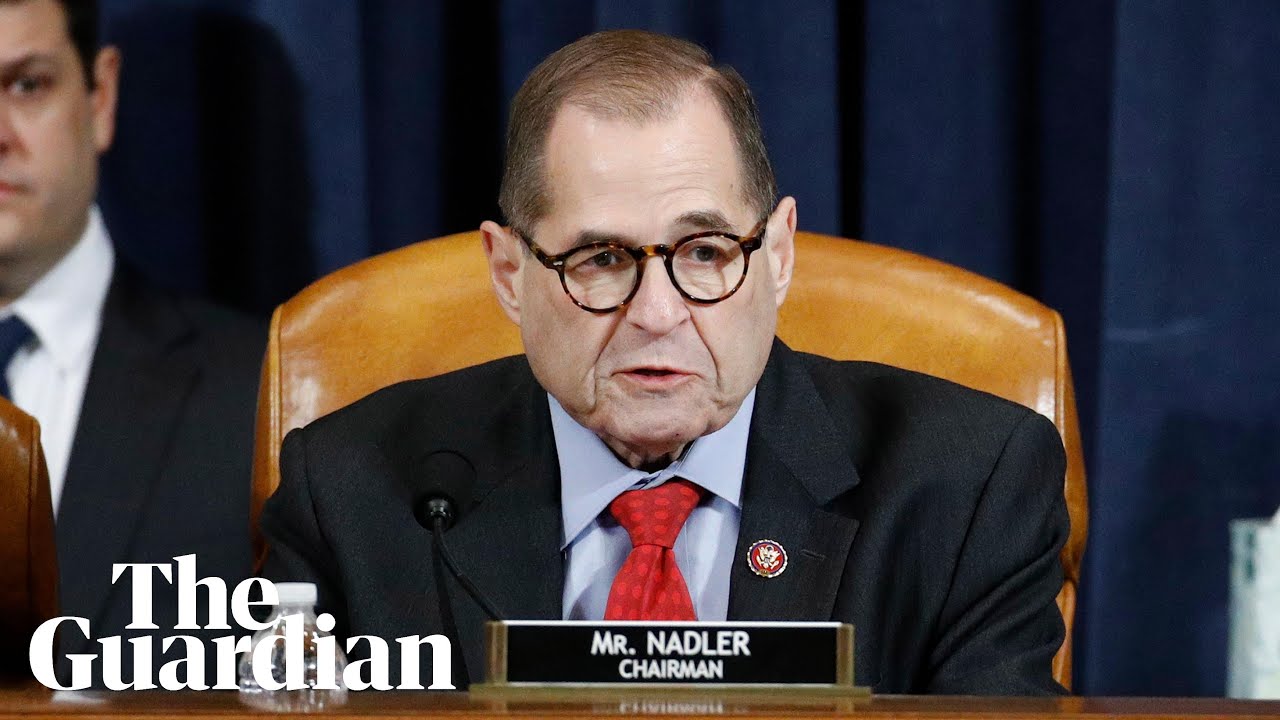
In a move that signals the end of a defining era in American politics, veteran Democratic Congressman Jerrold Nadler of New York has announced he will not seek reelection in 2026. The decision, confirmed by his office on September 1st, 2025, concludes one of the longest and most consequential careers in the modern U.S. House of Representatives.
First elected in 1992, Nadler, 78, has been a towering figure in congressional lawmaking, a staunch defender of civil liberties, and a central player in some of the most dramatic political events of the last three decades. His departure marks a significant shift in the landscape of both New York politics and the Democratic Party.
A Storied Career: From New York State Assembly to Capitol Hill
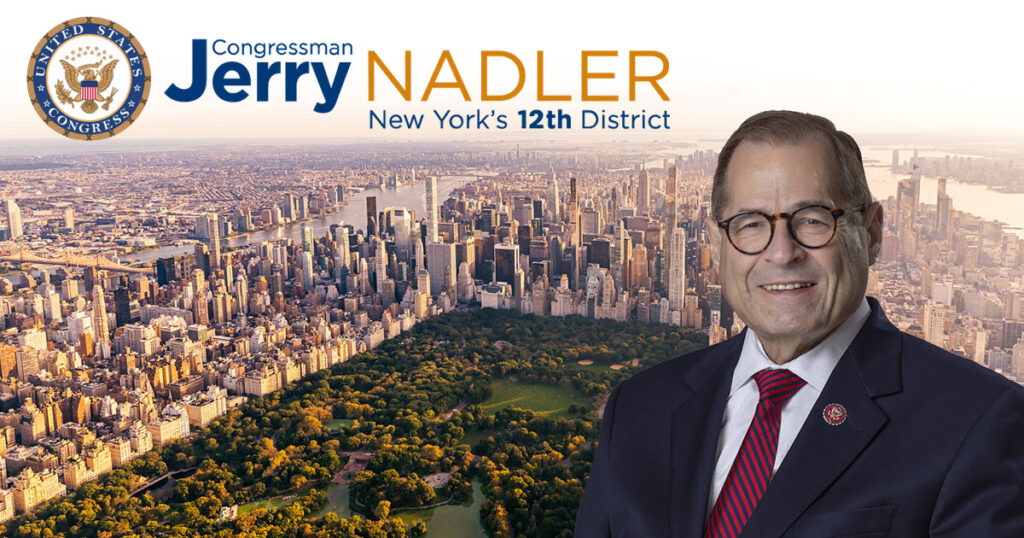
Jerry Nadler’s political journey is deeply intertwined with the story of New York City itself. His career in public service began not in Washington, but in the heart of Manhattan. After earning his law degree from Fordham University, Nadler was elected to the New York State Assembly in 1976, where he served for 16 years.
His big break came in 1992 when he won a special election to represent New York’s 17th Congressional District (which has been redistricted over the years and is now the 12th District). This district, encompassing parts of Manhattan and Brooklyn, including neighborhoods like the Upper West Side, Hell’s Kitchen, and parts of Borough Park, became his political home base for over three decades. His deep roots and consistent advocacy for his constituents are a key reason for his long-standing electoral success.
Nadler quickly established himself as a workhorse in Congress, known less for flashy soundbites and more for a deep, almost scholarly command of the Constitution and legislative procedure. His colleagues often regarded him as one of the sharpest legal minds in the chamber.
The Constitutional Champion: Nadler’s Defining Moments
Nadler’s legacy will be largely defined by his fierce dedication to the U.S. Constitution and his role as a check on executive power. He served on the House Judiciary Committee for his entire congressional tenure, eventually ascending to its chairmanship in 2019. It was from this powerful perch that he faced two of the biggest challenges in recent history: the impeachment of two presidents.
- The Clinton Impeachment (1998-1999): As a junior member of the Judiciary Committee, Nadler was a vocal opponent of the impeachment proceedings against President Bill Clinton. He argued passionately that the charges, stemming from the Monica Lewinsky scandal, did not rise to the level of “high crimes and misdemeanors” envisioned by the Founding Fathers. This early defense cemented his reputation as a principled defender of constitutional standards.
- The Trump Impeachments (2019 & 2021): Decades later, as Chairman of the Judiciary Committee, Nadler found himself leading the opposite charge. He was a central figure in both impeachment proceedings against President Donald Trump. He presided over the first impeachment (abuse of power and obstruction of Congress regarding Ukraine) and the second, historic impeachment (incitement of insurrection following January 6th Capitol riot). His stern, procedural demeanor during these highly partisan and emotionally charged events made him a familiar face to millions of Americans and a hero to Democrats, while drawing the ire of Republicans.
Beyond impeachment, Nadler was a key architect of numerous pieces of landmark legislation. He was a primary author and driver of the James Zadroga 9/11 Health and Compensation Act, which provided critical health monitoring and financial aid to first responders and survivors of the September 11 attacks—a deeply personal issue for a New York representative. He was also a longtime champion of abortion rights, gun control, and LGBTQ+ rights.
Why Now? The Reasons Behind the Retirement Decision
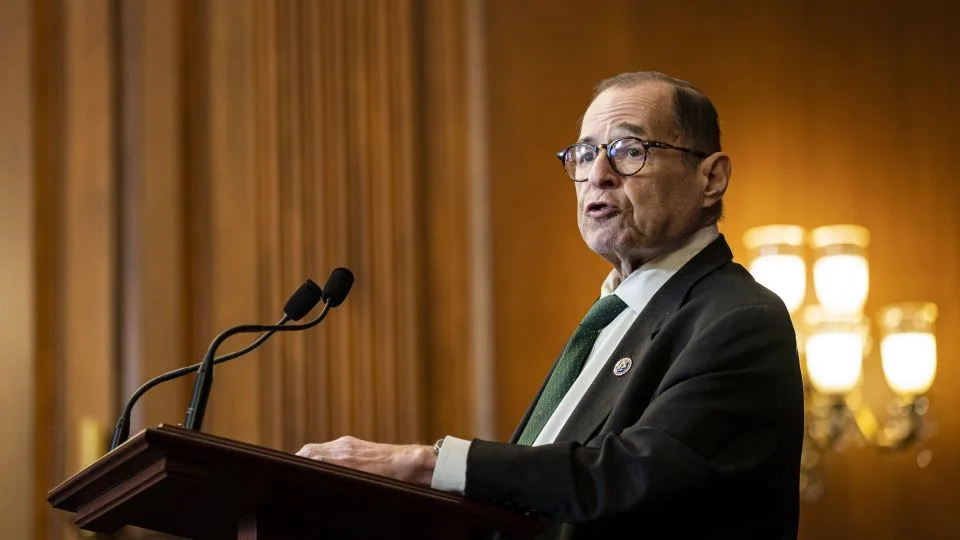
While the announcement may seem sudden to the public, it aligns with the natural arc of a long career. At 78 years old, Nadler is the second-oldest member of New York’s congressional delegation. In his statement, he framed the decision as a natural conclusion after achieving his primary goals.
“After 53 years in elected office, and with the Democrats in a strong position to defend our majority, I believe it is time to pass the torch to a new generation of leadership,” Nadler said. “I am proud of the work we have done to defend democracy, protect our constituents, and move our country forward. There is much more to do, but I am confident that the people of New York’s 12th District will elect a worthy successor.”
His decision not to seek reelection in 2026 means he will serve out the remainder of his current term, which ends in January 2027. This provides a long runway for a crowded and competitive Democratic primary to take shape in his deep-blue district.
The Ripple Effect: What Nadler’s Exit Means for NY Politics and Congress
Nadler’s retirement is more than just the exit of a single lawmaker; it creates a power vacuum that will have significant ripple effects.
- A Wide-Open Primary: New York’s 12th Congressional District is one of the most reliably Democratic seats in the nation. The real election, therefore, is the Democratic primary. Expect a large field of progressive and moderate candidates from the worlds of city and state politics, activism, and law to jump into the race. This could include city council members, state senators, and prominent political newcomers.
- A Loss of Institutional Knowledge: In a Congress increasingly defined by short timelines and viral moments, Nadler represented deep institutional knowledge. His understanding of congressional history, rule of law, and complex legislative strategy is irreplaceable. His absence from the Judiciary Committee will be particularly felt.
- The Changing of the Guard: Nadler is part of a generation of powerful, long-serving Northeast Democrats who have shaped the party for decades. His retirement, alongside others, accelerates a generational shift within the Democratic caucus toward newer members.
The Enduring Legacy of Jerry Nadler
As Jerry Nadler prepares to leave Capitol Hill, his legacy is that of a constitutional scholar who was thrust into the center of multiple national storms and never wavered in his principles. He was a politician who defied the typical labels—a progressive who believed fervently in the process, a partisan who appealed to the founding documents of the nation for his arguments.
He fought for the forgotten—the 9/11 first responders—and stood up to the most powerful. Whether one agreed with his politics or not, his commitment to his version of justice and the rule of law was unwavering. The halls of Congress will undoubtedly feel different without his formidable presence.