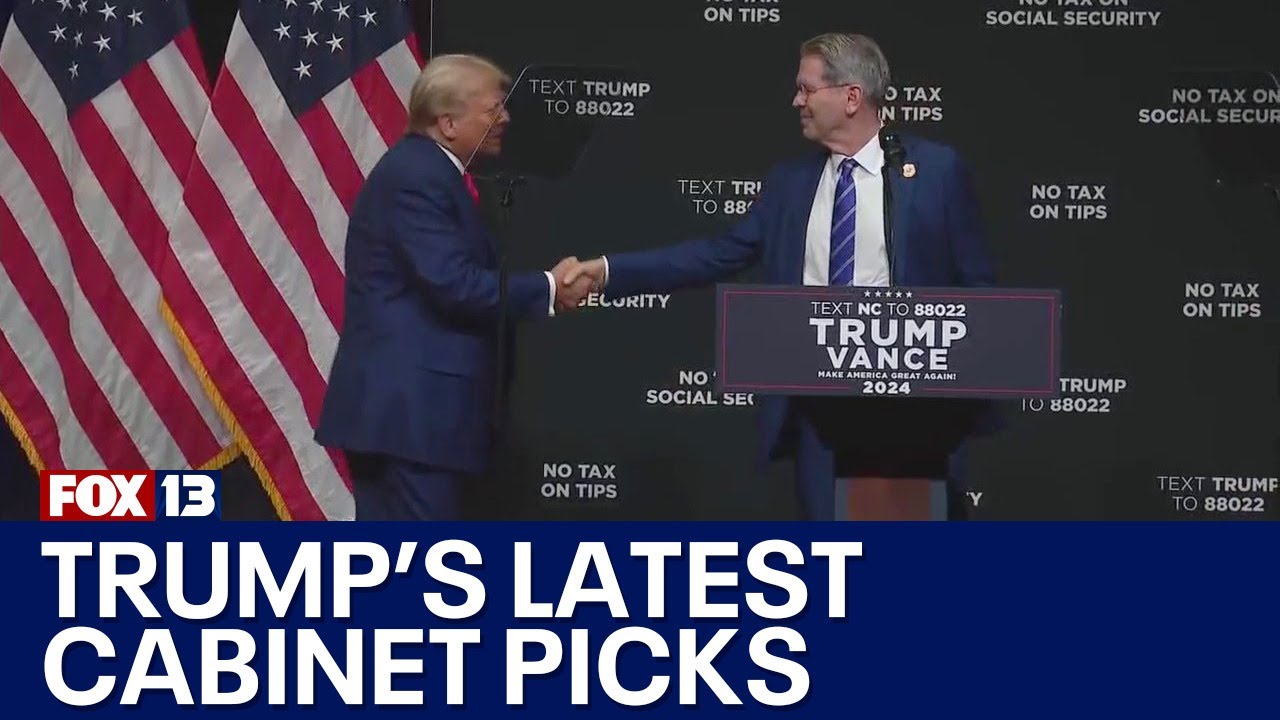
In the high-stakes world of global finance and geopolitical strategy, few names have surged to prominence as rapidly as Scott Bessent. Recently tapped by former President Donald Trump as his anticipated Secretary of the Treasury, Bessent is no longer just a revered figure on Wall Street; he is now a central architect of a potential new, aggressive US economic doctrine. His recent public statements have sent ripples through international markets and foreign ministries, signaling a dramatic shift in how America might wield its financial power on the global stage.
Who is Scott Bessent? From Wall Street Whale to Washington Powerhouse
Before his name became synonymous with potential Treasury leadership, Scott Bessent was a titan of the investment world. His reputation was built on a foundation of sharp analysis and prescient market calls. He served as the head of international investments at Soros Fund Management, working directly alongside legendary investor George Soros. It was here that he honed his skills in understanding global macroeconomic trends and the intricate interplay between politics and finance.
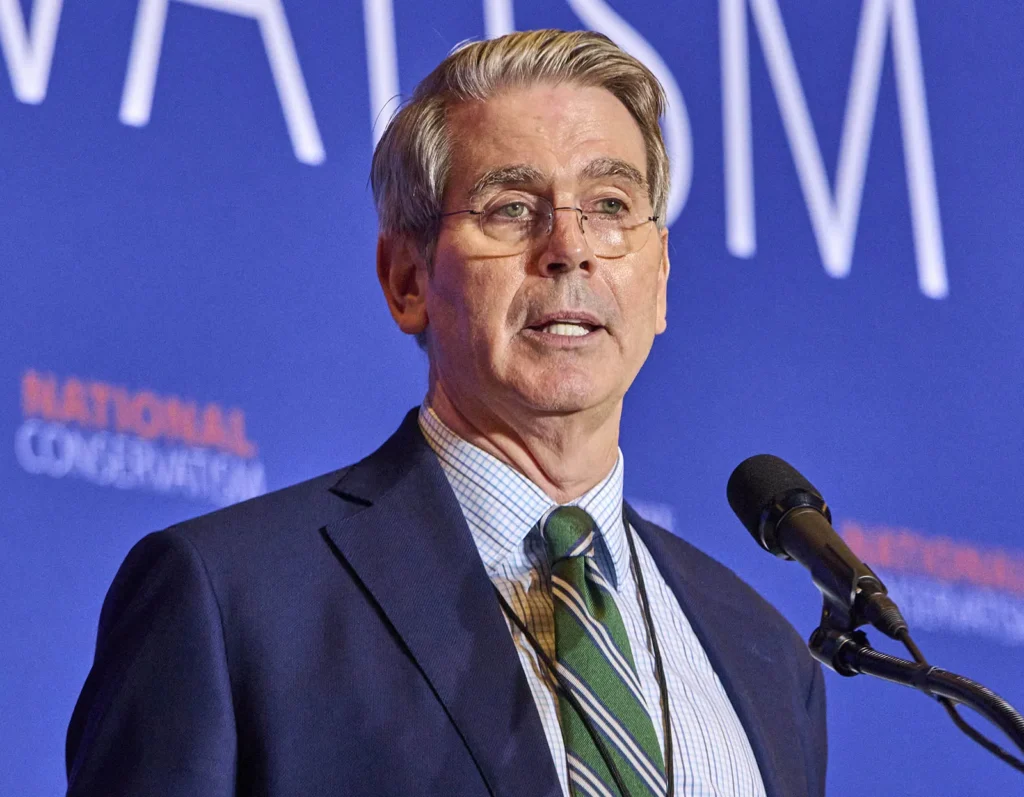
In 2015, Bessent leveraged his experience to found his own highly successful investment firm, Key Square Group. His ability to navigate complex global markets and generate substantial returns cemented his status as one of the most respected minds in finance. This extensive background is crucial to understanding his current approach: he views national economic policy through the lens of a global portfolio manager, assessing risk, leverage, and strategic advantage for the United States.
Bessent’s Bold Gambit: Sanctions on Russian Oil Buyers to Force Peace
This move, as reported by sources like Livemint, would represent a significant escalation of the current sanctions regime. While the US and its G7 allies have imposed a price cap on Russian oil, Bessent’s plan would effectively seek to shut down large segments of its export economy by targeting the buyers directly.
The intended mechanism is clear:
- Identify Major Buyers: The policy would primarily focus on nations that have become the largest purchasers of Russian crude since the invasion of Ukraine, notably India and China.
- Threaten Financial Isolation: Any entity—be it a bank, a refinery, or a shipping company—facilitating these purchases would be threatened with cut-off from the US financial system, the world’s primary conduit for dollar-denominated transactions.
- Strangle Russian Revenue: The goal is to drastically reduce the fossil fuel revenue that finances the Russian war machine, theoretically bringing Moscow to the negotiating table.
This aggressive stance has been framed by Bessent not just as an economic measure, but as a tool for achieving peace. As covered by India Today, he argues that strong economic pressure is a prerequisite for meaningful diplomacy. However, this approach is fraught with risk. It could inflame tensions with strategic competitors like China, disrupt global energy markets, spike oil prices worldwide, and create diplomatic friction with key partners like India.
A Warning Shot: The Trillion-Dollar Tariff Refund Threat
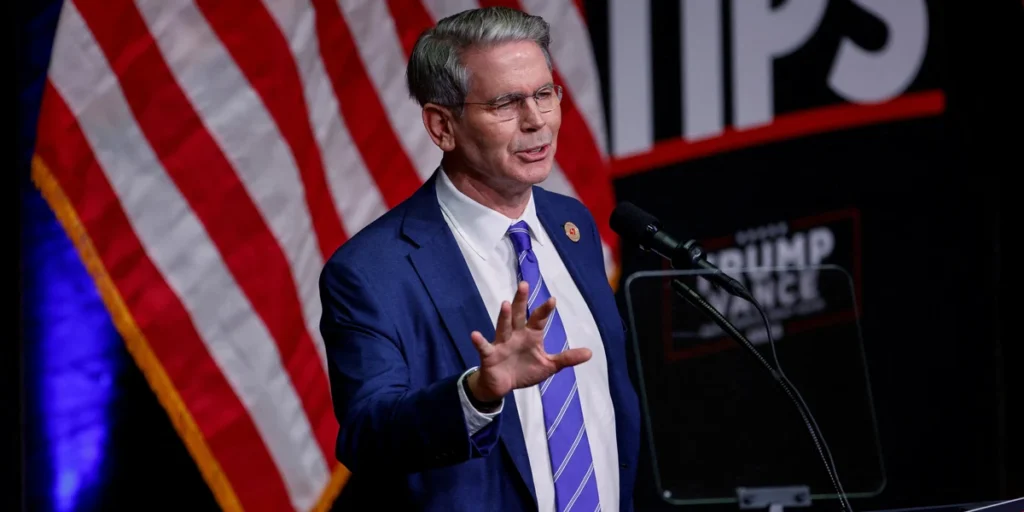
Beyond foreign policy, Bessent issued a stark warning: if the Supreme Court rules against the government, the U.S. Treasury could be forced to refund over $100 billion in collected tariffs to thousands of American importers. As detailed in The Times of India, he described this scenario as a “major hit” to the federal treasury.
This statement serves multiple purposes:
- It highlights a massive fiscal risk: It frames the court’s decision in terms of a direct financial blow to the nation, making it a matter of public interest.
- It underscores a key policy philosophy: It reaffirms the administration’s commitment to using tariffs as a primary tool for protecting American industries and challenging unfair trade practices, particularly those from China.
- It sets the stage for action: By publicly outlining the stakes, Bessent is preparing the ground for potential legislative or executive responses should the court’s decision go against them.
This focus on tariffs confirms that a Trump-Bessent Treasury would likely continue, and even intensify, a protectionist trade agenda, prioritizing national industrial policy over multilateral trade agreements.
Analyzing the Bessent Doctrine: Pragmatism or Confrontation?
The emerging “Bessent Doctrine” appears to be a blend of hard-nosed financial pragmatism and aggressive economic nationalism. His strategies are not born of ideological dogma but from a calculated assessment of American leverage.
- The Dollar as a Weapon: His sanctions proposal is a pure exercise of the power of the US dollar and the global financial infrastructure. It’s a recognition that America’s greatest weapon in the 21st century may not be its military, but its control over the global banking system via institutions like the SWIFT payment network and the dollar’s reserve currency status.
- Economic Sovereignty Above All: His stance on tariffs and trade reflects a belief in economic sovereignty—that the US must protect its manufacturing base and workers from global competition, even if it leads to short-term market disruption or higher consumer prices.
- A Transactional View of Diplomacy: Both policies suggest a move away from traditional multilateralism towards a more unilateral, transactional form of diplomacy. Relationships with allies and competitors alike would be judged primarily through the lens of economic benefit and strategic concession.
Global Implications: What Does This Mean for the World?
The potential implementation of Bessent’s ideas would have profound and immediate effects:
- For Global Energy Markets: Sanctions on Russian oil buyers would trigger a massive reshuffling of global energy supply chains, likely causing volatility and price spikes as markets adapt to new routes and intermediaries.
- For US Allies and Competitors: Countries like India, which has balanced its relationship with the US and Russia, would be forced into an incredibly difficult position, potentially harming a strategic partnership. It would also represent a direct challenge to China, accelerating the decoupling of the two largest economies.
- For the Global Economic Order: An increasingly aggressive use of financial sanctions could accelerate efforts by China, Russia, and other nations to develop alternative financial systems to bypass the US dollar, potentially eroding a key pillar of American long-term economic influence.