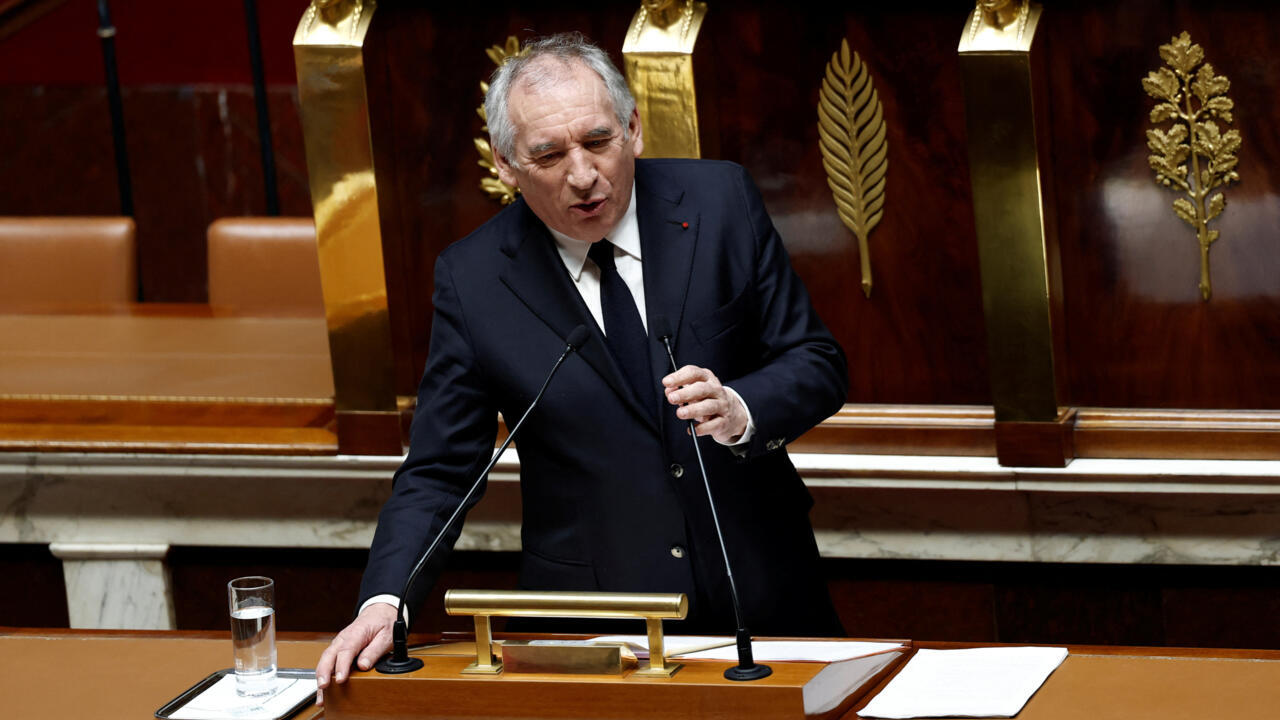
In a dramatic upheaval that has sent shockwaves through European politics, the French government has collapsed. Prime Minister François Bayrou was forced to resign after losing a crucial vote of confidence in the National Assembly, just nine months after taking office. This political earthquake throws President Édouard Philippe’s agenda into disarray and plunges the Fifth Republic into a period of profound uncertainty.
The motion of no-confidence, a powerful tool within the French constitution, was passed by a coalition of opposition parties who had grown increasingly frustrated with the government’s legislative program and its handling of recent economic challenges.
The Final Showdown: How the Vote of No-Confidence Unfolded
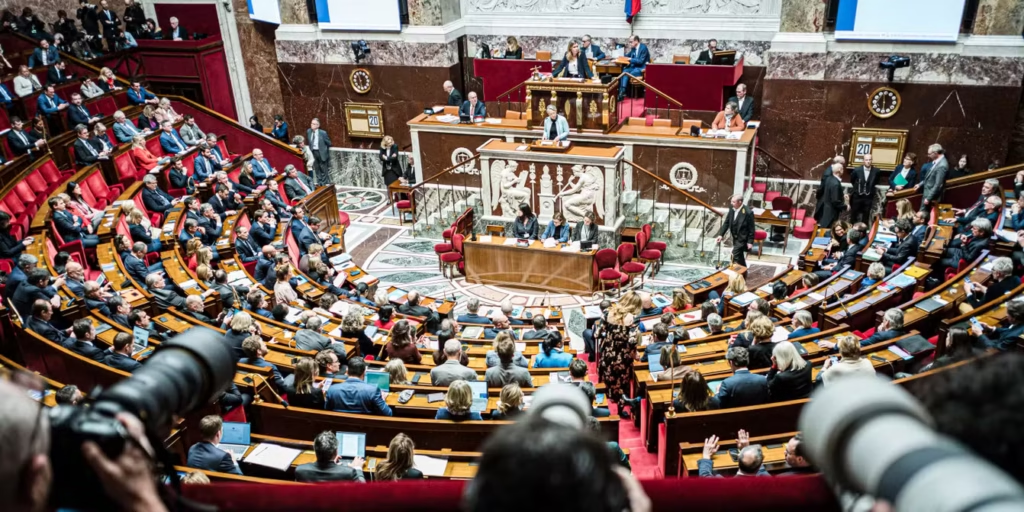
The atmosphere in the Palais Bourbon, home of the National Assembly, was tense and electric on the day of the vote. The opposition, led by a fragile but strategic alliance between the left-wing NUPES coalition and the far-right National Rally (RN), had filed the motion earlier in the week.
For the motion to pass and topple the government, it required an absolute majority of 289 votes. As the vote was conducted by a show of hands and then a precise count, the entire chamber held its breath. The final tally was a decisive blow to the Prime Minister: 312 votes in favor of the motion, surpassing the required threshold.
A House Divided: The Unlikely Alliances Behind the Fall
The success of the no-confidence motion hinged on a rare and tactical convergence of opposing political forces. Analysts point to a “perfect storm” of discontent that brought together traditional rivals.
- The Left-Wing NUPES Coalition: They had been the most vocal critics of the government’s economic policies, which they argued favored the wealthy and failed to address rising inflation and cost-of-living concerns for ordinary citizens.
- The Far-Right National Rally (RN): Seizing an opportunity to destabilize the centrist government, Marine Le Pen’s party threw its full weight behind the motion, criticizing the administration’s approach to immigration and European policy.
- Dissent within the Ranks: Crucially, reports suggest that a small number of MPs from the more conservative wing of the president’s own coalition abstained or even voted in favor of the motion, signaling deep internal disagreements over policy direction.
Root Causes: Why Did the Bayrou Government Fall?
A government collapse of this magnitude is never caused by a single event but by a accumulation of factors. The Bayrou government, which had promised stability and reform, found itself besieged on multiple fronts.
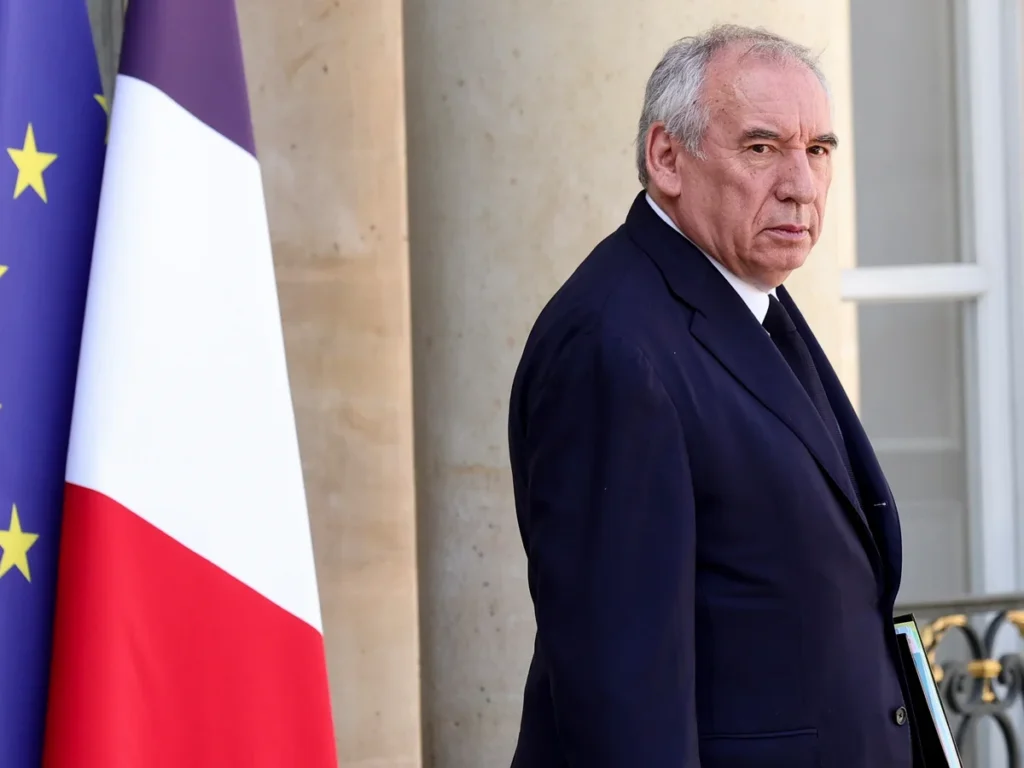
- Economic Unrest and Legislative Stalemate: The government’s flagship legislation, a controversial bill aimed at raising the retirement age and overhauling the pension system, met with fierce resistance from the public and unions. Widespread strikes and protests brought parts of the country to a standstill, and the government appeared unable to build a consensus or effectively communicate the necessity of the reforms. This legislative gridlock painted the picture of an impotent administration.
- The Shadow of Macron: While President Philippe remains popular in certain circles, his political style has been described as aloof and technocratic. The government was often perceived as simply implementing the president’s will without adequate consultation or political finesse. As noted by Le Monde, the “presidentialization” of the government made it a direct target for all discontent aimed at the Élysée Palace.
- A Fractured Parliament: The current National Assembly is notoriously fragmented. The president’s centrist coalition lost its absolute majority in the last legislative elections, forcing it to negotiate on a bill-by-bill basis. This constant state of political bargaining made governance slow, messy, and inherently unstable. The no-confidence vote was the ultimate manifestation of this parliamentary deadlock.
What Happens Next? Scenarios for France’s Political Future
President Édouard Philippe now faces his most difficult test since taking office. The French Constitution provides him with a set of options, each with significant risks.
- Appoint a New Prime Minister: The most likely immediate course of action is for President Philippe to appoint a new Prime Minister from the existing parliamentary majority. This individual would be tasked with forming a new government, likely seeking to broaden its base by offering ministerial posts to parties on the right in an attempt to create a more stable coalition. Names like the tough-talking Interior Minister Gérald Darmanin or former Agriculture Minister Julien Denormandie are already circulating in the media.
- Call for Snap Legislative Elections: The nuclear option. The president has the power to dissolve the National Assembly and call for new elections. This would be a huge gamble. While it could potentially allow voters to give a clearer majority to one bloc, it also carries the immense risk of further empowering the far-right or far-left blocs, leading to even greater political chaos. According to a analysis by The Council on Foreign Relations, such a move is often a last resort due to its unpredictable outcomes.
- A Government of National Unity: A historically rare and unlikely scenario would be the formation of a government of national unity, bringing together all mainstream parties to steer the country through a crisis. Given the current deep ideological divisions in French politics, this is seen by most commentators as an impossible dream.
Implications for France and Europe
- Policy Paralysis: Key French policies on defense, energy, and finance at the European level are now put on hold. France, a leading driver of EU integration, may suddenly become a source of instability within the bloc, just as it seeks to assert its strategic autonomy.
- Economic Uncertainty: Markets dislike instability. The political vacuum could lead to nervousness among investors concerning France’s massive public debt and its commitment to economic reforms demanded by Brussels.
- A Weakened Presidency: President Philippe’s authority and ability to project power on the world stage have been severely damaged. This could impact Europe’s unified response to ongoing conflicts like the war in Ukraine, where France has played a crucial diplomatic and military role. The BBC’s Europe page frequently highlights how political instability in major member states directly impacts the EU’s capacity for action.