I still remember my first time. I emerged from the Métro station, the city sounds swirling around me, and there it was: a breathtaking canyon of light, energy, and elegance stretching straight toward the majestic Arc de Triomphe. The Champs-Élysées isn’t just a place you visit; it’s an experience that washes over you. It’s a living, breathing monument to French art, history, and joie de vivre.
In this guide, I’m not just listing facts; I’m sharing my personal journey and deep knowledge to help you understand why this avenue continues to capture the world’s imagination, from its luxurious shops to its role in global events and, yes, even its protest.
What Exactly Is the Champs-Élysées? More Than Just a Street
Before we dive into the glamour, let’s ground ourselves. What is this famous avenue, and why does its name sound so poetic?
The name Champs-Élysées translates to “Elysian Fields,” from Greek mythology. It was the paradise where heroes and the virtuous went to rest in the afterlife. Quite the name to live up to! Its history is a fascinating evolution:
- 17th Century: Landscape architect André Le Nôtre (the genius behind Versailles’ gardens) first extended the Tuileries Garden vista, creating a grand pathway through fields and market gardens.
- 18th Century: It became a fashionable park, lined with trees and gradually attracting cafes and restaurants.
- 19th Century: Under Baron Haussmann’s massive urban renewal of Paris, it transformed into the wide, grand avenue we know today, becoming the city’s premier address for luxury and entertainment.
Today, it’s a 1.9-kilometer (1.2-mile) thoroughfare running from the Place de la Concorde—a square steeped in revolutionary history—to the Place Charles de Gaulle, home of the Arc de Triomphe.<hr>
My Must-Do Guide: Experiencing the Champs-Élysées Like a Pro
You can’t just walk the Champs-Élysées; you have to savor it. Here’s how I recommend tackling it, based on my many visits.
1. Start at the Arc de Triomphe (Yes, You Read That Right)
Most guides tell you to start at Concorde, but I prefer starting at the Arc. Why? The view. Climbing to the top of the Arc de Triomphe first thing gives you the single best panoramic view of Paris. You see the entire avenue laid out before you like a ribbon leading to the Louvre, with the Eiffel Tower standing proudly to the side. It’s the perfect orientation. Trust me on this.
2. The Stroll Down: A Journey Through Worlds
As you walk down from the Arc, you’ll notice the atmosphere change in distinct sections:
- The Luxury Quarter (Upper West Side): This is where you’ll find the high-end boutiques. We’re talking Louis Vuitton’s stunning flagship, Cartier, Montblanc, and more. Even if window-shopping is the order of the day, the displays are works of art.
- The Entertainment Hub (Middle Section): Here, the scene shifts. You’ll pass famous theaters like the Théâtre Marigny and the Grand Palais (a magnificent exhibition hall), alongside iconic cafes. Ladurée is a must for their world-famous macarons. Grab a seat on a terrace, order a coffee, and just people-watch. This is where you feel the pulse of Paris.
- The Green Space (Lower Section): As you approach the Rond-Point des Champs-Élysées, the commercial hustle gives way to beautiful public gardens—perfect for a relaxing stroll under the chestnut trees.
3. End at Place de la Concorde
Your journey culminates at this vast historic square. Look for the Luxor Obelisk—a 3,300-year-old Egyptian gift—and take a moment to appreciate the sheer scale of the place. You’ve just walked through centuries of history.<hr>
The Avenue of Protest: Understanding the Champs-Élysées’ Role in French Voice
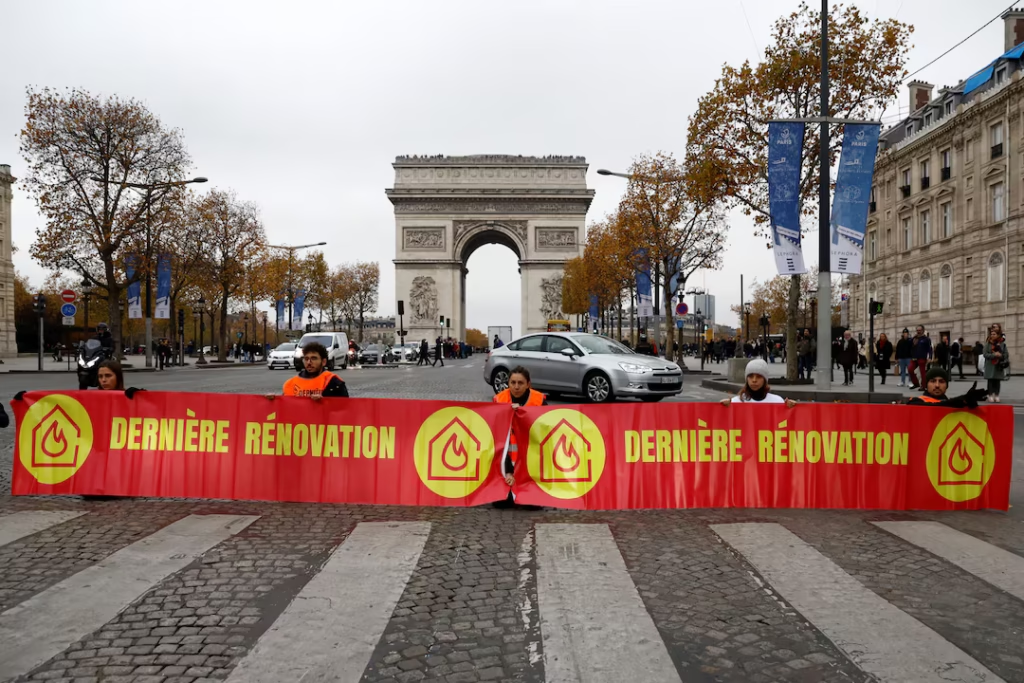
A blog about the Champs-Élysées in 2024 wouldn’t be complete or accurate without acknowledging its role as a stage for protest. As a writer, I’ve seen this firsthand. This isn’t a negative mark; it’s a testament to its symbolic power.
The avenue is more than a tourist hub; it’s France’s town square. Its central, symbolic importance makes it the natural focal point for national expression.
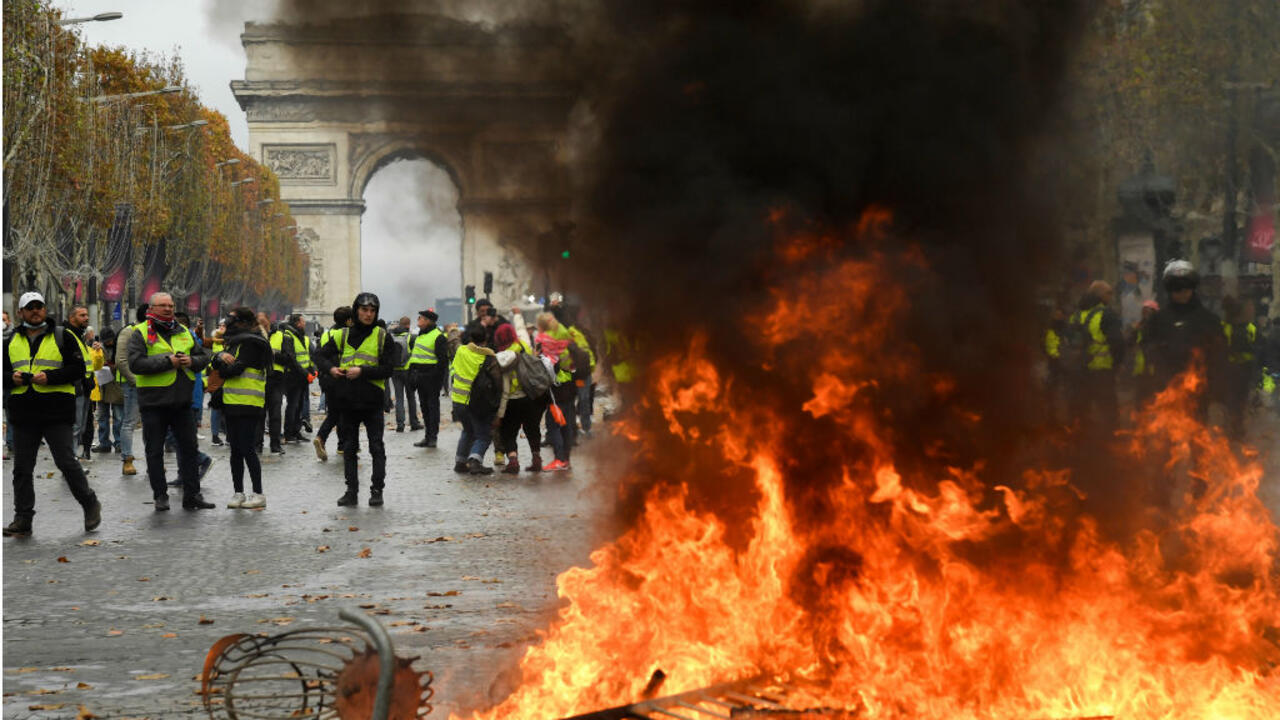
- The Gilets Jaunes (Yellow Vests) movement several years ago saw the avenue regularly filled with demonstrators, a stark contrast to its usual glamorous image. This highlighted social and economic tensions within the country.
- Why here? Protesting on the Champs-Élysées guarantees maximum visibility, both for the government and the international media. It’s a way to place an issue at the very heart of French identity.
While this can sometimes lead to travel disruptions, it’s a powerful reminder that Paris is a living, evolving city, not a museum. The avenue is a platform for celebration and for dissent—a duality that defines modern France.<hr>
Beyond the Main Drag: Hidden Gems & Local Secrets
After you’ve seen the main sights, I urge you to explore the peripheries. Some of my favorite spots are just off the beaten path.
- Avenue Montaigne: Just parallel to the Champs, this is where you’ll find even more concentrated haute couture (Dior, Chanel, Valentino) in a quieter, more elegant setting.
- Le Hide Restaurant: Tucked away on a side street, this fantastic bistro offers incredible food at reasonable prices—a rare find in this neighborhood!
- The Seasonal Markets: Depending on when you visit, you might find a Christmas market lining the avenue or a summer festival in full swing. Check local listings!
<hr>
Planning Your Visit: My Practical Tips for You
- When to Go: Early morning is magical and almost empty. Evening is spectacular when the lights come on. Avoid Saturday afternoons if you dislike crowds.
- How to Get There: Métro lines 1, 2, 6, 9, and 13 all have stops along or near the avenue. Charles de Gaulle – Étoile (Lines 1, 2, 6) for the Arc, and Champs-Élysées – Clemenceau (Lines 1, 13) are your best bets.
- What to Wear: Comfortable shoes are non-negotiable. This is a long walk! Dress smart-casual to blend in with the stylish Parisians.
The Final Word: Why It Endures
The Champs-Élysées is a chameleon. It’s a shopping paradise, a historical landmark, a peaceful garden, and a forum for democracy—all at once. Its ability to be all these things is precisely why it remains, for me, the most beautiful avenue in the world.
It’s not just about the luxury brands or the stunning architecture; it’s about the energy. It’s the feeling of walking the same path as countless historical figures, protesters, artists, and lovers have for centuries. It is, in every sense, the eternal stage of Paris