Introduction: The Power of a Single Statement
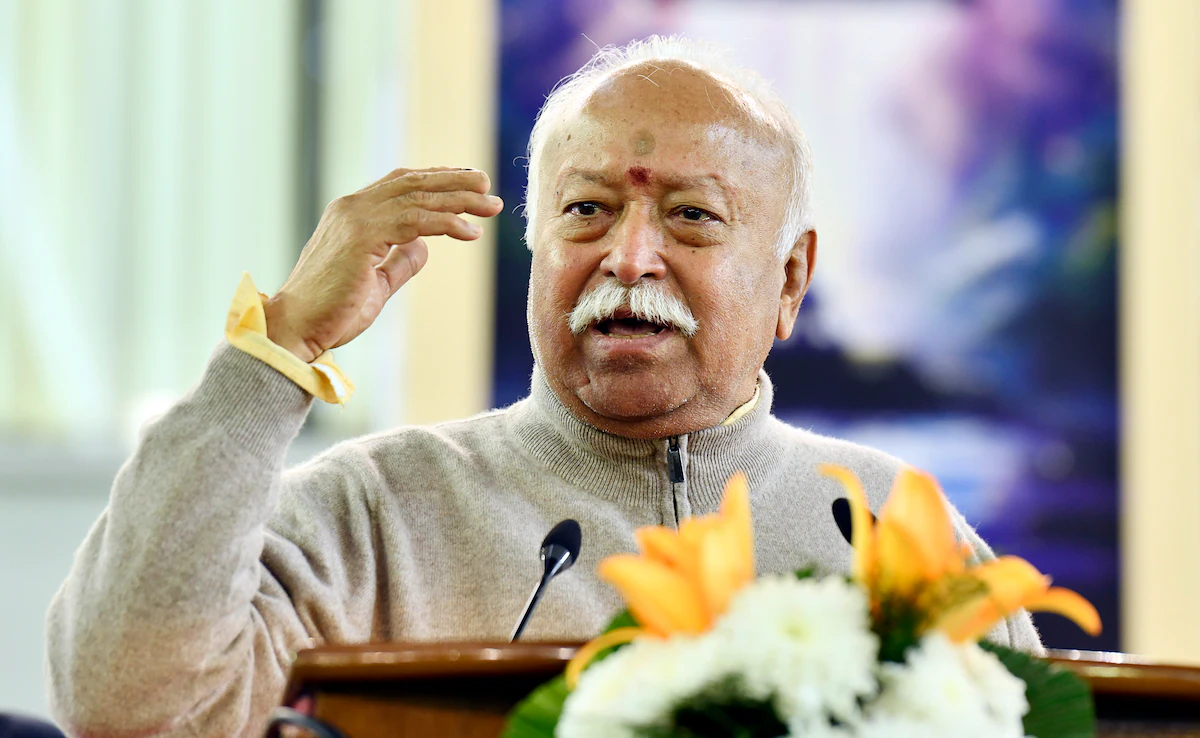
When Rashtriya Swayamsevak Sangh (RSS) chief Mohan Bhagwat speaks, India listens. In January 2024, a seemingly innocuous remark about organizational leadership and retirement age erupted into a nationwide political controversy, exposing fissures within the BJP and giving opposition parties fresh ammunition. At a book launch in Nagpur, Bhagwat mused: “People should retire at 60… or maximum 70. But definitely at 75.” Within hours, Congress leaders seized on the statement to target 74-year-old PM Narendra Modi, while BJP spokespersons scrambled to contain the fallout. This article unpacks the incident, explores Bhagwat’s ideological influence, and examines why this remark became a tipping point in Indian politics.
I. The Nagpur Remarks: What Exactly Happened?
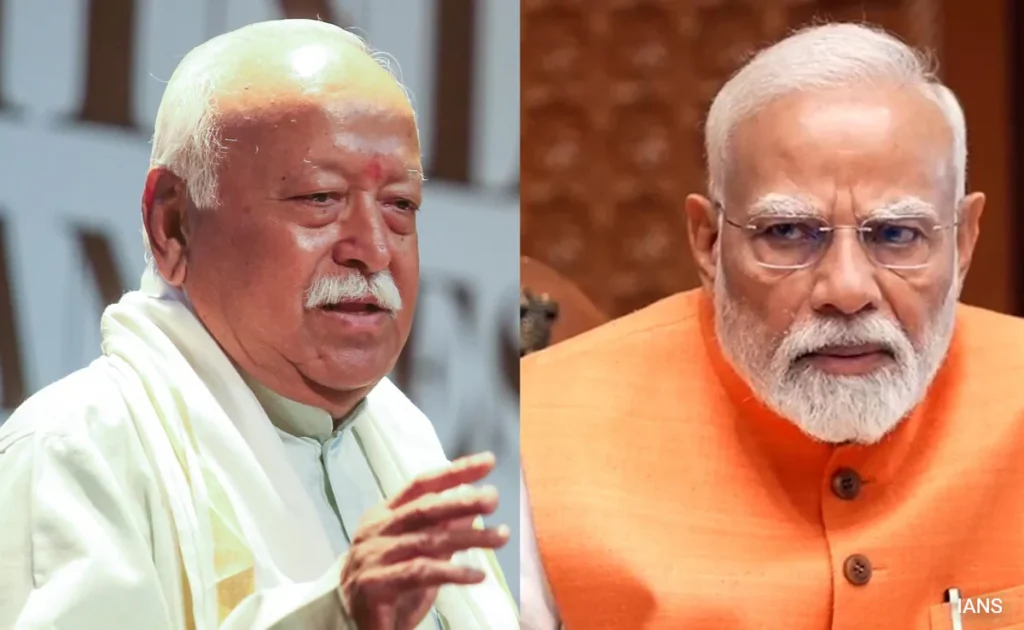
On January 11, 2024, Bhagwat addressed a gathering in Nagpur—RSS’s headquarters. While discussing organizational efficiency, he emphasized:
Though he never named Modi (who turned 75 in September 2025), the implication was instantly politicized. Key contextual factors:
-
RSS’s Internal Rules: Mandatory retirement at 75 for all pracharaks (full-time workers).
-
Modi’s Milestone: The PM was months away from crossing that age threshold.
-
Timing: Ahead of 2024 general elections, where leadership continuity was a BJP talking point.
(Source: The Hindu)
II. Political Explosion: Congress vs. BJP
A. Opposition’s Onslaught
Congress president Mallikarjun Kharge tweeted:
“Even the BJP’s ideological mentor believes it’s time for change. Will the PM heed his advice?”
Rahul Gandhi amplified the message in rallies, framing Bhagwat’s words as a “moral indictment” of Modi’s extended tenure.
B. BJP’s Damage Control
BJP leaders issued rapid denials:
-
Vinod Tawde (National General Secretary): “The remark wasn’t directed at any individual.”
-
Nalin Kohli (Spokesperson): “Sangh leaders often discuss organizational discipline. This is being twisted.”
(Source: Indian Express)
III. Decoding Mohan Bhagwat: Architect of Hindutva
A. Rise to Power
-
Born 1950 in Maharashtra; third-generation RSS volunteer.
-
Took over as Sarsanghchalak (chief) in 2009, succeeding K.S. Sudarshan.
-
Credited with modernizing RSS outreach through tech, NGOs, and global diaspora networks.
B. Ideological Influence
-
On Nationalism: Advocates “cultural unity” over religious divides.
-
On Governance: Pushes for decentralization via Gram Swaraj (village self-rule).
-
On Economy: Supports Swadeshi (self-reliance) but endorses tech-driven growth.
(External Link: RSS Philosophy Explained | Britannica)
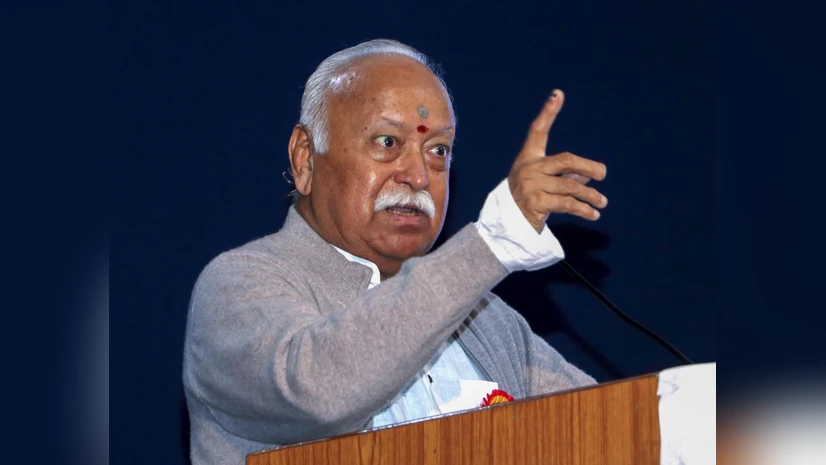
IV. The 75-Year Threshold: RSS Tradition vs. Political Reality
RSS’s retirement norm stems from founder K.B. Hedgewar’s vision:
“Organizations decay when leaders cling to chairs past their prime.”
Contrasting Examples:
| Leader | Age at Retirement | Context |
|---|---|---|
| Atal Bihari Vajpayee | 81 (as PM) | BJP ignored RSS norms due to his stature |
| Narendra Modi | Active at 75+ | Unprecedented second full term post-75 |
This tension reveals a deeper conflict: RSS prioritizes institutional discipline; BJP values electoral pragmatism.
V. Historical Precedents: When RSS Comments Shook Governments
Bhagwat’s remarks follow a pattern of RSS subtly steering BJP:
-
2015: Called for “review” of reservation policy → BJP backtracked within hours.
-
2020: Urged “dialogue” on farm laws → Modi repealed them in 2021.
-
2023: Criticized “violent” Manipur clashes → BJP replaced state leadership.
(External Link: RSS-BJP Power Dynamics | Carnegie Endowment)
VI. 2025 Update: The Aftermath & Lasting Impact
A year after the controversy:
-
Modi remains PM: Turned 75 in September 2025 with no succession plan in sight.
-
RSS recalibrated: Bhagwat now avoids age-specific comments, focusing on “generational cooperation.”
-
Opposition strategy: Congress continues invoking the remark to question BJP’s “double standards.”
(Source: Times of India)
VII. Why Bhagwat’s Words Matter Beyond Politics
The RSS chief’s influence extends far beyond BJP:
-
Social Mobilization: 600,000+ daily shakhas (branches) drive grassroots cultural activism.
-
Global Reach: RSS-affiliated groups operate in 50+ countries (e.g., Hindu Swayamsevak Sangh USA).
-
Policy Shadow: NITI Aayog’s village development programs mirror RSS’s Gram Swaraj model.
(External Link: RSS Global Network | HSS Report)
Conclusion: The Unfinished Battle of Ideas
Mohan Bhagwat’s retirement remark was more than a political flashpoint—it exposed the fragile equilibrium between ideological purity and electoral ambition. As Modi governs past 75, and Bhagwat navigates his own legacy, this episode underscores a timeless truth: In India’s complex democracy, even offhand comments from Nagpur can redefine power equations in Delhi. The ultimate takeaway? In the RSS-BJP ecosystem, no statement is ever “just theoretical.”