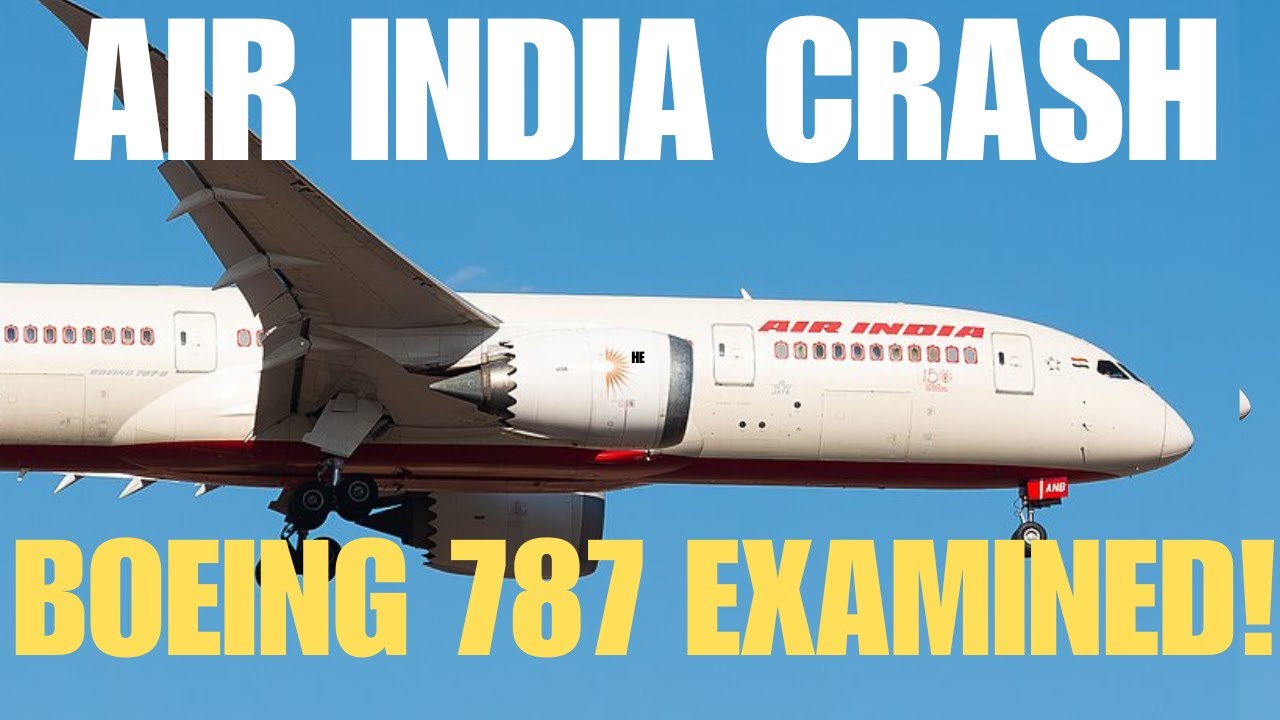
The aviation world was rocked on May 18, 2025, when Air India Flight 171, a Boeing 787-8 Dreamliner, plummeted shortly after takeoff from Mumbai’s Chhatrapati Shivaji Maharaj International Airport. Air india 787 crash All 214 passengers and crew onboard perished in one of modern aviation’s most catastrophic accidents. A preliminary investigation report air-india-787-crash, released by India’s Directorate General of Civil Aviation (DGCA) on July 11, 2025, reveals a chilling sequence: both engine fuel supply switches were intentionally cut off seconds before the air india 787 crash—a finding that raises urgent questions about cockpit actions, system safeguards, and Dreamliner safety protocols.
Flight 171: A Routine Journey Turns Tragic
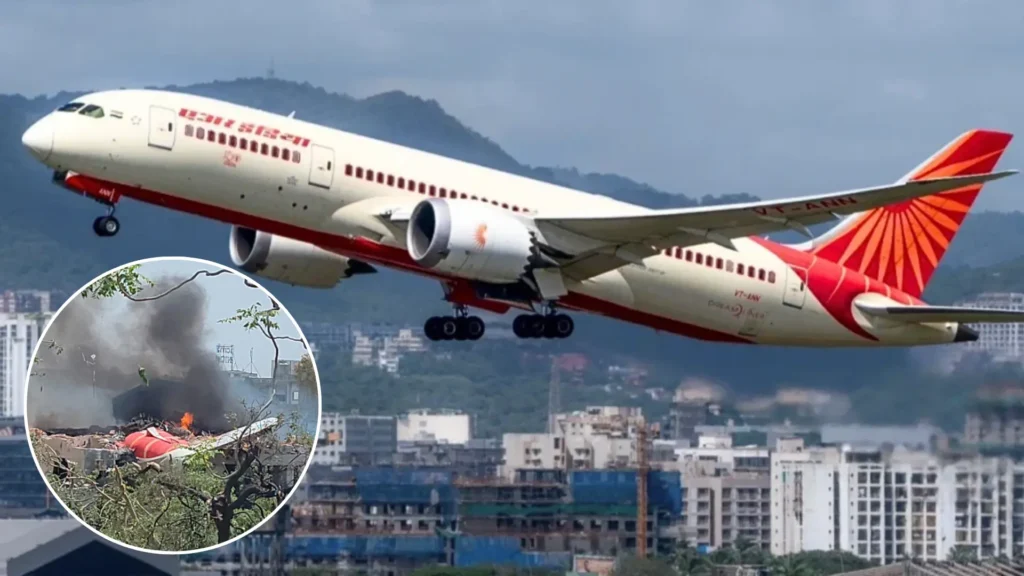
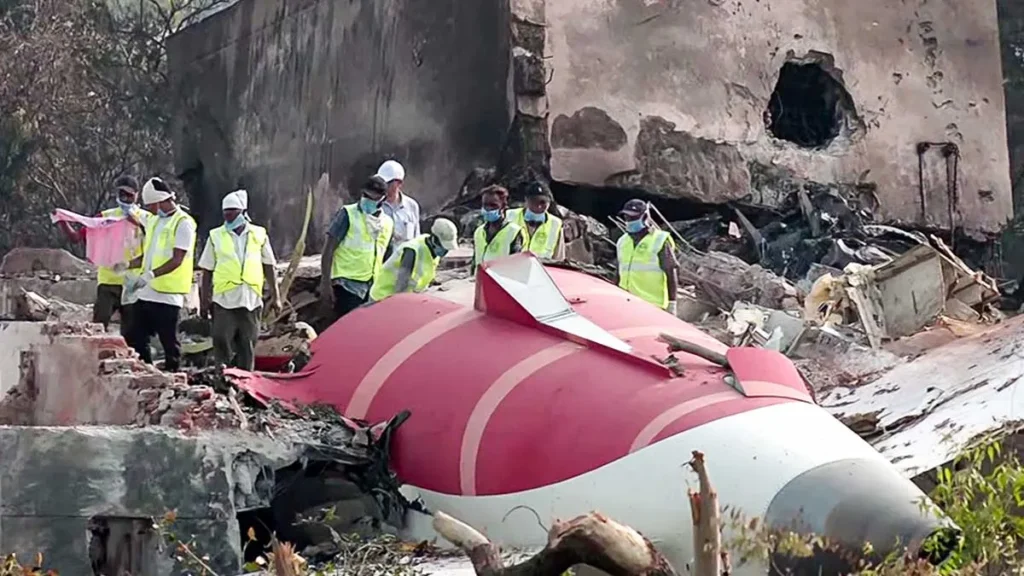
Air India Flight 171 was a scheduled service from Mumbai to San Francisco. At 3:14 PM local time, the aircraft—registered VT-ANH—accelerated down Runway 27L. Eyewitnesses described the climb as “unstable” before the jet banked sharply left, stalled, and crashed into a warehouse complex near the Mithi River. The impact and fire left no survivors. Key details:
-
Aircraft: Boeing 787-8 Dreamliner (delivered to Air India in 2019).
-
Route: Mumbai (BOM) → San Francisco (SFO).
-
Victims: 189 passengers, 12 crew, 3 pilots.
-
Cargo: No hazardous materials reported.
The disaster immediately grounded Air india 787 crash fleet and triggered global scrutiny of the Dreamliner’s electronic systems.
The 787 Dreamliner: Innovation Under Scrutiny
The Boeing 787 Dreamliner revolutionized air travel with lightweight composites, fuel efficiency, and advanced fly-by-wire controls. However, its history includes teething issues:
-
Battery fires (2013 grounding).
-
Rolls-Royce engine failures (affecting multiple airlines).
-
Ongoing FAA airworthiness directives for electrical systems.
Despite this, the 787 maintained a strong safety record—until Flight 171. The Air india 787 crash marks the Dreamliner’s first fatal passenger incident, intensifying pressure on Boeing amid ongoing 737 MAX-related reputational damage.
Investigation Breakthrough: Fuel Switches Deactivated
The DGCA’s 40-page preliminary report, cited by NPR, identifies a critical anomaly:
*“Both engine fuel shutoff switches were moved to the ‘OFF’ position approximately 90 seconds after takeoff. This action terminated fuel flow to the engines, leading to dual-engine failure and an unrecoverable stall.”*
Data from the Cockpit Voice Recorder (CVR) captured alarms and frantic crew attempts to restart the engines. The Flight Data Recorder (FDR) confirmed:
-
Switches were manually switched off.
-
No mechanical fault preceded the action.
-
Engines responded correctly to the shutdown command.
As Al Jazeera notes, the switches—located on the cockpit’s overhead panel—require deliberate physical manipulation. This eliminates accidental activation theories and shifts focus to human factors.
The Human Element: Crew Actions and Training
While the report avoids blaming pilots, it highlights troubling context:
-
Captain’s Medical History: The captain had reported depression but was medically cleared.
-
First Officer’s Inexperience: 200 total flight hours on the 787.
-
CRM Breakdown: CVR transcripts indicate conflicting commands during the emergency.
Aviation experts stress that disabling both fuel systems is an unprecedented action. As former NTSB investigator John Cox stated:
“This isn’t a reflex error. Cutting fuel to both engines mid-flight contradicts every training protocol. We must determine intent versus systemic failure.”
Boeing and Air india: Crisis Response Air india 787 crash
Air India CEO Campbell Wilson called the findings “deeply disturbing” and pledged full cooperation with investigators. Boeing has dispatched technical teams to Mumbai but faces renewed criticism:
-
Why did the 787’s systems allow dual-fuel shutdown without redundancies?
-
Were pilots trained to handle intentional sabotage scenarios?
The FAA announced an urgent review of Dreamliner cockpit safeguards, while global airlines began retraining crews on fuel emergency procedures.
Safety Reforms: What Comes Next?
The DGCA’s interim recommendations include:
-
Physical Switch Guards: Prevent inadvertent fuel shutoff activation.
-
Dual Confirmation: Require two crew members to enable fuel cutoff.
-
Psych Evaluations: Enhanced mental health screening for pilots.
For passengers, the tragedy underscores aviation’s fragile trust. As Air India Flight 171’s Wikipedia entry documents, it joins a lineage of Air india-787 crashes where human intervention played a role—from Germanwings 9525 to Malaysia Airlines 370.
Conclusion: A Preventable Catastrophe?
The Air India 787 crash investigation remains ongoing, with final conclusions expected in 2026. While mechanical failure was ruled out, the human or systemic origins of the fuel cutoff demand painful answers. As global regulators race to implement new safeguards Air india 787 crash, Flight 171 stands as a grim reminder: even the most advanced aircraft remain vulnerable to decisions made in the cockpit.
For the victims’ families, the DGCA report offers cold comfort—clarity without closure. For aviation, it ignites a reckoning on cockpit security, mental health, and the Dreamliner’s legacy.