
The news hit me with a profound sense of loss: Claudia Cardinale dies aged 87. But as I sat with the feeling, it quickly transformed. This wasn’t just an obituary; it was a cue to rewind the film reel of one of the most captivating careers in history. Cardinale wasn’t just a star; she was a force of nature, an icon of European cinema whose spirit and talent left an indelible mark on the world.
Today, I want to take you beyond the headlines. We’ll explore her journey from a shy Tunisian girl to an international symbol of strength and sensuality, and uncover why her legacy is more relevant today than ever.
Who Was Claudia Cardinale? More Than Just a Beautiful Face
Before she was a film star, Claudia Cardinale was Claude Joséphine Rose Cardinale, born in Tunis in 1938. Her entry into the spotlight was almost accidental. She won a trip to the Venice Film Festival in a “Most Beautiful Italian Girl in Tunisia” contest, a title that, while highlighting her stunning looks, would soon prove to be the least interesting thing about her.
The studio system tried to mold her. They even tried to lower her voice, claiming it was too strong for a starlet. But Claudia refused to be silenced or stereotyped. This early rebellion set the stage for a career built on her own terms. She wasn’t the passive beauty; she was an active, intelligent artist.
From Tunis to the World: The Rise of an 8 1/2 Icon
Cardinale’s breakthrough in Italian cinema came swiftly, but it was her collaboration with legendary directors that cemented her status. While many remember her for her beauty, I remember her for her powerful presence in some of the greatest films ever made.
- Federico Fellini’s 8 ½ (1963): As Claudia, the director’s idealized vision of feminine perfection, she is both ethereal and unattainable. The role showcased her as a muse, but it was her intelligence that brought depth to the fantasy.
- Luchino Visconti’s The Leopard (1963): Opposite Burt Lancaster, she played Angelica Sedara, a character who symbolizes the new, vibrant energy disrupting the old aristocratic order. Her performance was fiery, full of life, and proved her ability to hold her own among acting giants.
- Sergio Leone’s Once Upon a Time in the West (1968): This is, for me, her defining role. As Jill McBain, she was no damsel in distress. She was a widow fighting for her land, a resilient and complex woman navigating a brutal world. She brought a gritty realism that was groundbreaking for a female character in a Western.
The Enduring Legacy of Claudia Cardinale: Why She Still Matters
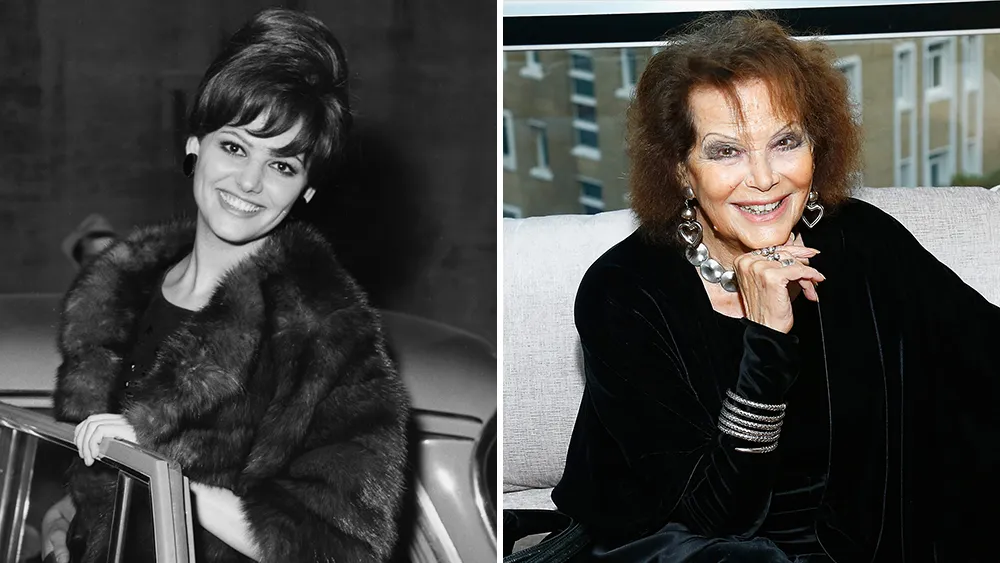
So, why does Claudia Cardinale’s story resonate so powerfully today? It’s because she was a pioneer long before we had the language for it.
A Symbol of Strength and Independence
In an era when women on screen were often decorative, Cardinale chose roles that showcased intelligence, willpower, and independence. She fought for equal pay and refused to be marketed as a sex symbol in the traditional, passive sense. Her characters, and the woman herself, embodied a fierce autonomy that makes her a feminist icon in retrospect.
Breaking the Mold: Her Unique Persona
She was never the “girl next door.” With her husky voice (the one they tried to change!), her curvaceous figure, and her confident gaze, she broke the mold of the waif-like starlets of the time. She represented a different, more substantial kind of beauty—one that was intelligent, warm, and powerful.
A Career of Incredible Longevity
Cardinale never faded away. She continued to act in meaningful projects for over six decades, appearing in films and television shows well into the 21st century. This Claudia Cardinale career timeline is a testament to her lasting talent and adaptability.
Claudia Cardinale’s Best Films: Where to Start
If you’re new to her work, you’re in for a treat. Here are my top picks for essential Claudia Cardinale viewing:
- Once Upon a Time in the West (1968): The ultimate introduction to her strength and screen presence.
- The Leopard (1963): A masterpiece of epic filmmaking with a radiant Cardinale at its heart.
- 8 ½ (1963): A surreal, brilliant film that features her as the quintessential dream woman.
- Rocco and His Brothers (1960): An earlier, grittier Visconti film that shows her dramatic range.
- The Pink Panther (1963): A delightful comedic performance that showcases her versatility and charm.
The Woman Behind the Icon: Personal Life and Activism
Cardinale’s life off-screen was as compelling as her roles. She has been a UNESCO Goodwill Ambassador for the Defense of Women’s Rights since 2000, passionately advocating for the causes she believes in. Her personal story, including the challenges of a difficult early relationship and her fierce protection of her son, reveals a woman of immense courage and principle.
In Conclusion: The Timeless Allure of Claudia Cardinale
The recent false news about her death, while alarming, had one positive effect: it made us all stop and remember her. It prompted a global conversation about her impact. And what an impact it has been.
Claudia Cardinale was more than a Beloved 1960s screen icon. She was, and is, a testament to the power of authenticity. She showed us that beauty and brains are not mutually exclusive, that strength is captivating, and that a true icon is defined not by the roles they play, but by the life they lead.