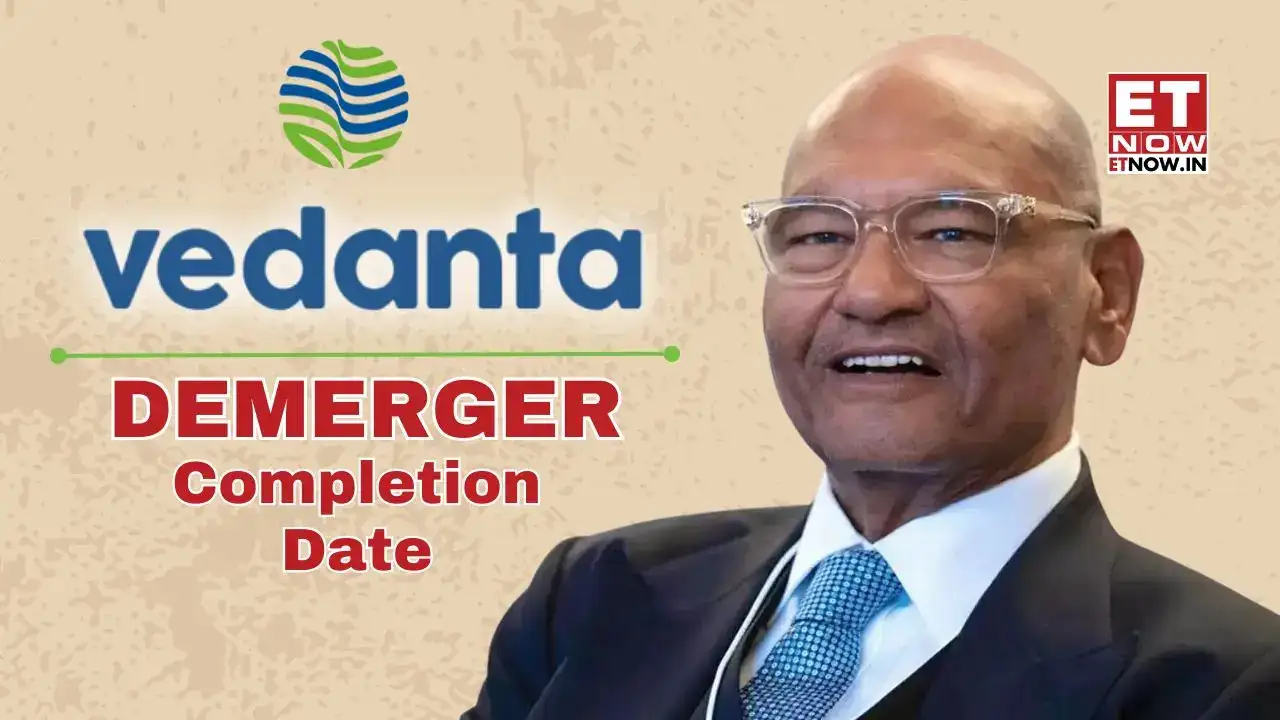
In a dramatic corporate-legal showdown, former Chief Justice of India (CJI) Dipak Misra has thrown his weight behind Ex CJI Vedanta Resources, declaring the damning Viceroy Research report “lacking in credibility” and affirming the mining giant’s right to pursue legal action. This high-stakes development comes after Viceroy’s explosive July 2025 report sent Ex CJI Vedanta’s shares plummeting and ignited a firestorm across India’s corporate landscape. Here’s the full breakdown of this watershed moment and its far-reaching implications.
The Viceroy Report: What Sparked the Controversy?
US-based short-seller Viceroy Research dropped a bombshell on July 18, 2025, accusing Ex CJI Vedanta Resources of:
- Financial Obfuscation: Alleging “creative accounting” to mask $3.5B debt risks
- Governance Failures: Questioning board oversight of subsidiaries
- Asset Valuation Issues: Claiming “material overvaluation” of key mining assets
Within hours, Ex CJI Vedanta’s stock nosedived 12% on Indian exchanges, erasing ₹18,500 crore in market value. The company issued a fiery rebuttal, calling the report “factually incorrect, malicious, and defamatory” – setting the stage for a legal and reputational battle royale.
Ex CJI Vedanta Dipak Misra’s Landmark Intervention
On July 25, 2025, former CJI Dipak Misra – one of India’s most respected legal minds – delivered a stunning critique of Viceroy’s methodology. As reported by The Economic Times:
“The report appears based on conjecture rather than concrete evidence. Its failure to verify critical claims with primary sources fundamentally undermines its credibility.”
Justice Misra particularly criticized Viceroy’s:
- Overreliance on “assumptions and hypothetical scenarios”
- Lack of on-ground verification of Vedanta’s operational assets
- Selective interpretation of regulatory filings
Legal Pathways: Vedanta’s Options for Redress
Crucially, the Ex CJI Vedanta outlined concrete legal remedies available to Vedanta, as covered by Times of India:
| Legal Avenue | Potential Outcome | Jurisdiction |
|---|---|---|
| Civil Defamation Suit | Monetary damages for reputational harm | Indian Courts |
| Criminal Complaint | Penal action against Viceroy | Economic Offences Wing |
| SEBI Market Abuse Probe | Trading suspension/fines | Securities regulator |
| US Court Action | Injunction against report circulation | New York/Delaware courts |
“Corporations have the same right to protect their reputation as individuals do,” Justice Misra asserted, citing precedent from the landmark Tata-Cyrus Mistry defamation case.
Why Viceroy’s Motives Are Under Microscope
Short-seller reports occupy a murky ethical space. As noted by Business Standard:
- Viceroy openly admitted taking “short positions” on Ex CJI Vedanta before report release
- The firm has history of targeting emerging market companies (10+ since 2020)
- Their profit model relies on stock declines post-publication
Market analysts point to concerning patterns:
📉 83% of Viceroy’s targets see >10% stock drops within 48 hours
⚖️ Only 37% of their allegations led to regulatory action
💰 Estimated $120M profit from Vedanta short positions alone
The Ripple Effect: Corporate India Fights Back
Ex CJI Vedanta’s case has become a litmus test for how Indian corporations combat short-seller attacks:
- Regulatory Response
SEBI has accelerated plans for “Short-Seller Disclosure Rules” – requiring:- Pre-position transparency
- Methodology verification
- Penalties for factual inaccuracies
- Legal Evolution
Indian courts are increasingly granting:- Expedited hearings for market-sensitive cases
- Global takedown orders for defamatory content
- Asset freezes against offshore short-sellers
- Investor Protection
New SEBI guidelines mandate “cooling periods” after critical reports:- Automatic trading halts during fact-checking
- Independent auditor verification
- Compensation mechanisms for panic-selling losses
Vedanta’s Counteroffensive: Beyond the Courtroom
While legal battles loom, Vedanta has launched a multi-pronged strategy:
- Forensic Audit: PwC hired to scrutinize all allegations line-by-line
- Investor Assurance: Global roadshows highlighting $4.2B cash reserves
- Operational Transparency: Live streaming of key mining operations
- Debt Calibration: Accelerated $1.9B debt reduction plan
“These attacks strengthen our resolve to benchmark global governance standards,” stated Vedanta Chairman Navin Agarwal.
The Bigger Picture: Protecting India’s Economic Sovereignty
This confrontation transcends one company. With India targeting $5T economy status, the stakes include:
- Foreign Investor Confidence: $48B in annual FDI at risk from market volatility
- Domestic Capital Formation: Retail investors comprise 56% of market participation
- Strategic Sector Viability: Mining contributes 2.5% to India’s GDP
As former SEBI chief UK Sinha warned: “Unchecked short-selling assaults could derail India’s industrial growth engine.”
What Comes Next: Timeline of Critical Events
- Aug 15, 2025: SEBI’s preliminary report on Viceroy’s positions
- Sep 5, 2025: Deadline for Vedanta’s defamation suit filing
- Oct 2025: Parliament review of “Short-Seller Regulation Bill”
Market watchers suggest Viceroy may offer settlement as legal pressures mount.
Conclusion: Truth as the Ultimate Compliance
As Justice Misra’s intervention makes clear, credibility isn’t created by reports – it’s earned through evidence. For Ex CJI Vedanta, the path forward involves courtrooms and balance sheets. For India, it’s about building institutions robust enough to separate fact from financial warfare.