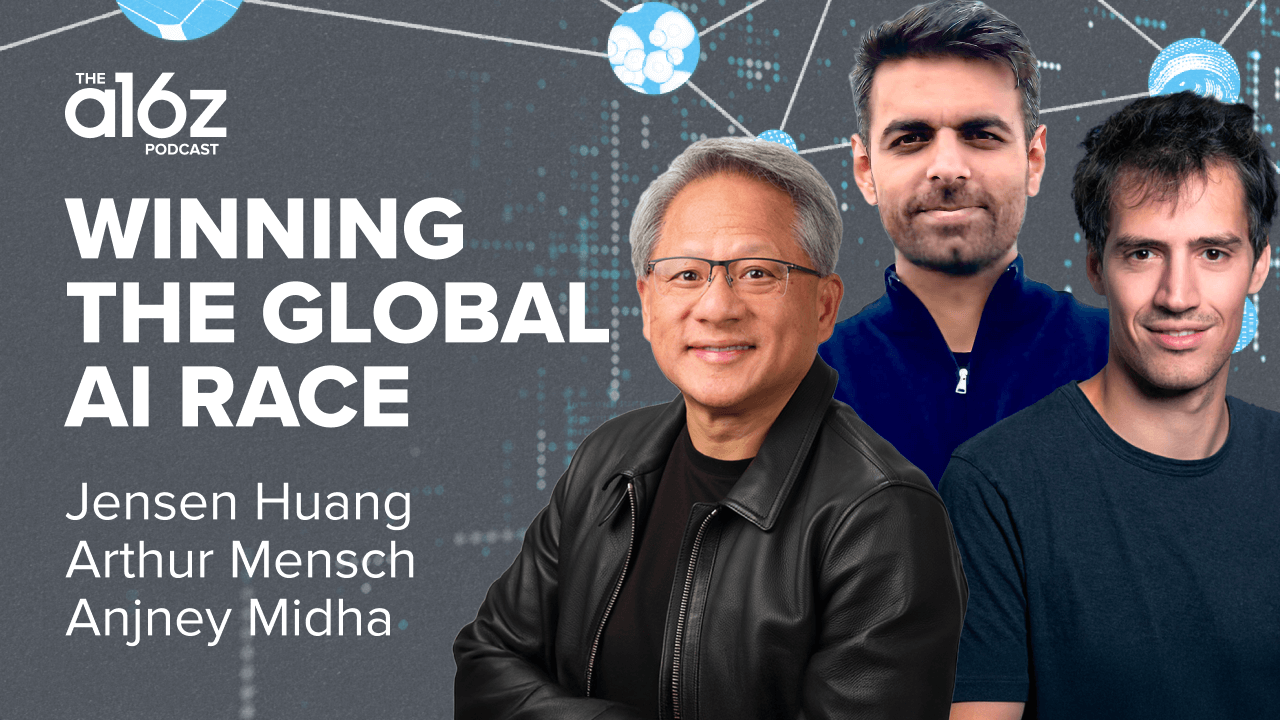
In the high-stakes world of artificial intelligence, few names command as much respect—and scrutiny—as Jensen Huang. The charismatic CEO of NVIDIA, worth over $2 trillion, isn’t just racing to dominate AI chips; he’s now a central figure in a geopolitical showdown between superpowers. Recent headlines reveal a tightrope walk: promoting AI’s promise globally while facing urgent warnings from U.S. lawmakers. Here’s the unfolding drama reshaping tech’s future.
The AI Diplomat: Huang’s Bridge Between Washington and Beijing
Jensen Huang’s 2024 has been a whirlwind of diplomacy. In January, he met U.S. officials in Washington D.C., advocating for strategic AI investments. Weeks later, he celebrated Lunar New Year in China, dining with local tech leaders. His mission? Position NVIDIA as AI’s indispensable architect amid rising U.S.-China friction.
Huang’s pitch is visionary: AI will revolutionize healthcare, climate science, and productivity. At a D.C. roundtable, he argued, “Accelerated computing is sustainable computing.” Yet beneath the optimism lies tension. NVIDIA’s chips are caught in a trade war. After U.S. restrictions banned advanced AI chip exports to China, Huang engineered downgraded chips like the H20 to comply. Critics call it a stopgap; Huang insists it’s pragmatism.
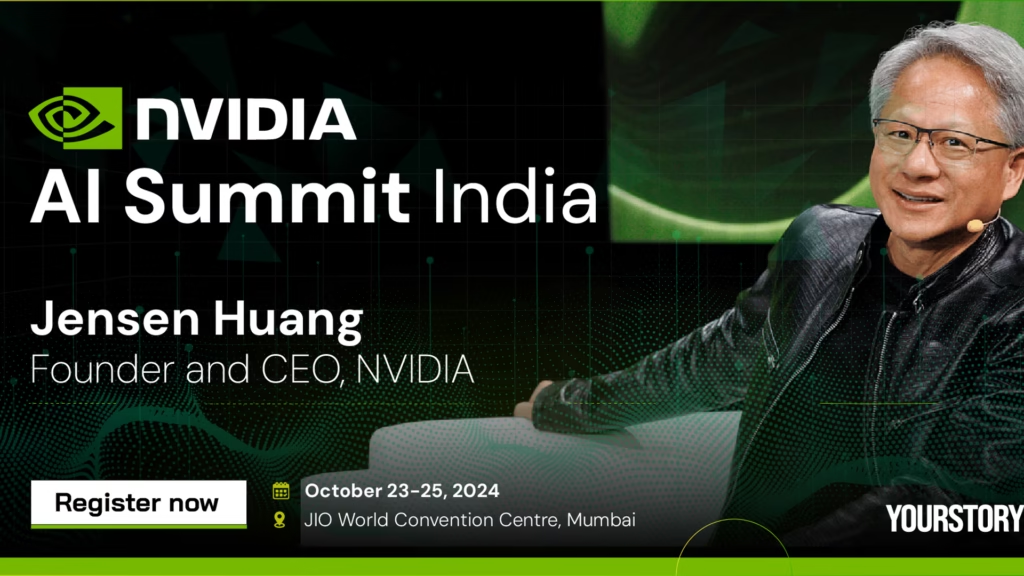
Why it matters: NVIDIA holds 92% of China’s $7B AI chip market. Losing it could fracture global AI progress.
Senators Sound Alarm: “We Are Worried”
On May 7, 2024, Huang received a bombshell: a bipartisan letter from U.S. senators led by Chuck Schumer. Their concern? NVIDIA’s redesigned chips might still empower China’s military AI.
“We are worried that… exports may be undermining U.S. national security.”
— U.S. Senate letter to Jensen Huang
The stakes couldn’t be higher. Advanced AI fuels everything from hypersonic missiles to surveillance. Senators demanded clarity: How does NVIDIA ensure its tech doesn’t advance China’s military ambitions? Huang’s response emphasized compliance, but the scrutiny highlights a brutal reality: No tech titan operates above geopolitics.
The big picture: With 60% of NVIDIA’s revenue tied to overseas markets, balancing ethics and economics is Huang’s greatest test.
The Unlikely Icon: From Denny’s to Dominance
Huang’s rise mirrors an American dream. Born in Taiwan in 1963, he immigrated to Kentucky at age 9. His first job? Cleaning bathrooms at Denny’s. That grit defined his journey:
-
1993: Co-founded NVIDIA in a California diner.
-
1999: Revolutionized graphics with the GPU.
-
2024: Turned NVIDIA into history’s first $2 trillion chip firm.
Huang’s secret? Betting early on AI. In 2006, he launched CUDA, software letting GPUs handle complex AI tasks. Skeptics called it overkill. Today, it powers ChatGPT and self-driving cars.
Leadership trademark: His signature leather jacket and hands-on style. Employees note he answers emails instantly—even at 1 AM.
Source: Jensen Huang’s Wikipedia profile
NVIDIA’s AI Supremacy: Chips, Software, and Sovereignty
NVIDIA’s dominance rests on three pillars:
-
Hardware: H100 GPUs process AI data 30x faster than rivals.
-
Ecosystem: 4.2 million developers use CUDA—a “moat” competitors can’t breach.
-
Sovereign AI: Huang’s new crusade: helping nations build AI with local data. France, Japan, and India are partners.
But rivals loom. Google’s TPUs, Amazon’s Trainium, and China’s Huawei challenge NVIDIA’s pricing power. Huang’s counter? “AI factories”—data centers packed with NVIDIA chips, sold as turnkey solutions.
What’s Next: Regulation, Rivalry, and Responsibility
Huang’s 2024 agenda is packed:
-
Looming Regulations: The EU’s AI Act and U.S. export rules could force NVIDIA to further neuter chips.
-
China Dilemma: If tensions escalate, NVIDIA’s market share could plummet.
-
Humanitarian Push: Huang pledges AI for “digital biology,” aiming to cut drug discovery time from years to days.
Industry analysts see NVIDIA as a bellwether: If Huang stumbles, so might the AI boom.
Conclusion: The Tightrope Walker of Tech
Jensen Huang embodies AI’s paradoxes: a innovator caught between nations, a billionaire who scrubbed toilets, a realist preaching optimism. As lawmakers demand guardrails and rivals close in, his next moves will shape whether AI becomes humanity’s engine—or its weapon. One truth is certain: In the age of artificial intelligence, Huang remains irreplaceably human.