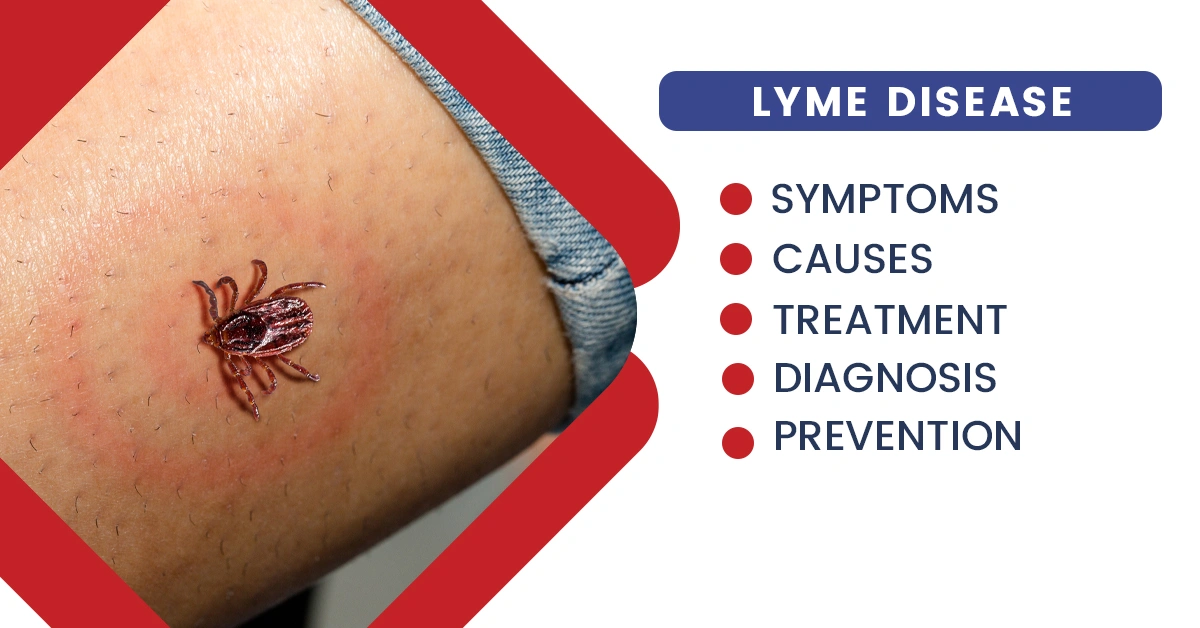
Okay, let’s talk about something deeply personal and way too common: Lyme disease. I never thought a tiny tick could turn my world upside down, but it did. One summer hike, a seemingly insignificant bite, and months later, I was grappling with crushing fatigue, aching joints, and a brain fog so thick I could barely think straight. If you’re worried about ticks, symptoms, or just heard about it because of celebrities like Justin Bieber, stick with me. I lived it, learned the hard way, and came out the other side. Here’s my story and the crucial info I wish I’d known.
What Exactly Is Lyme Disease?
Put simply, Lyme disease is an infection caused by sneaky bacteria called Borrelia burgdorferi (and sometimes its cousins). The villains? Ticks – specifically black-legged ticks (deer ticks) in the US. They pick up the bacteria by feeding on infected animals like mice or deer, and then pass it on to us during their next blood meal. It’s not contagious person-to-person.
My Unexpected Journey: From Active to Exhausted
Picture this: I was super active – hiking, biking, loving life outdoors. Then, after a fantastic weekend camping trip (where I later realized I must have gotten bitten), things slowly started unraveling. At first, it was just feeling a bit “off,” like a mild flu that wouldn’t quit. I brushed it off. But then came:
- The Exhaustion: Not just tired. Bone-deep, can’t-get-off-the-couch exhaustion. Like my battery was permanently at 1%.
- The Aches: My knees, elbows – even my neck – throbbed constantly. It felt like I’d run a marathon in my sleep.
- The Fog: Remembering names? Focusing at work? Forget it. My brain felt wrapped in cotton wool.
- The Weird Rash: I didn’t get the classic “bullseye” rash (only about 70-80% of people do!), which made figuring it out even harder.
It took weeks of doctor visits, dead ends, and growing frustration before a sharp clinician thought to test for Lyme. That diagnosis? Equal parts terrifying and a relief. Finally, I had a name for the enemy.
Spotting the Signs: Don’t Ignore These Symptoms!
Lyme is a master of disguise. Symptoms often appear in stages, but it’s messy and varies wildly. Here’s what to watch for, based on my experience and medical knowledge:
- Early Stage (Days to Weeks After Bite):
- The Rash (Erythema Migrans): A red, expanding “bullseye” rash around the bite site is classic, but it can also be just a red blotch, or you might miss it entirely (like I did!). It’s usually not itchy or painful. SEE A DOCTOR IF YOU SEE ANY UNUSUAL RASH AFTER A TICK BITE!
- Flu-like feelings: Fever, chills, headache, muscle aches, fatigue, swollen lymph nodes.
- Later Stages (Weeks to Months After Bite, if untreated):
- Severe headaches, neck stiffness.
- More rashes appearing elsewhere.
- Facial palsy (drooping on one side).
- Arthritic pain (especially in large joints like knees), with swelling.
- Heart palpitations, dizziness (Lyme carditis).
- Nerve pain, numbness, tingling in hands/feet.
- Severe brain fog, memory issues, sleep problems.
- Late Disseminated Stage (Months to Years Later):
- Persistent arthritis, often in knees.
- Neurological problems (more severe nerve pain, cognitive issues).
- Heart rhythm problems (rare, but serious).
(What are the three stages of Lyme disease?)
Lyme disease typically progresses through three phases, though not everyone experiences all stages clearly:
- (Localized Stage): The early rash and flu-like symptoms appear near the bite site.
- (Early Disseminated Stage): Bacteria spread through the bloodstream, causing multiple rashes, neurological symptoms (like facial palsy), heart issues, and more widespread pain/fatigue.
- (Late Disseminated Stage ): Persistent arthritis, chronic neurological issues, and cognitive difficulties if the infection remains untreated for a long time.
Fighting Back: Is Lyme Disease Treatable? (Spoiler: YES!)
Absolutely, yes! This is the most important message: Early treatment is highly effective. When caught soon after the bite or when early symptoms appear, a course of oral antibiotics (like doxycycline or amoxicillin) usually knocks it out completely. I started doxycycline within a few days of my diagnosis (even though my symptoms were already significant), and it made a huge difference, though recovery took time.
But What If It’s Late? How Long is Too Long?
This was my biggest fear. (Is it too late for Lyme disease?)” While it’s NEVER too late to seek treatment and improve your health, later stages are harder to treat. The bacteria can embed themselves deeper. Treatment might involve longer courses of antibiotics (oral or IV), and managing lingering symptoms (sometimes called Post-Treatment Lyme Disease Syndrome – PTLDS) can be challenging. But significant improvement and a return to a good quality of life are absolutely possible, even if it takes more time and effort. Don’t give up hope!
What Happens If You Ignore a Tick Bite? (Seriously, Don’t!)
Ignoring a tick bite is playing Russian roulette with your health. Untreated Lyme can lead to debilitating, long-term consequences:
- Chronic, severe joint inflammation and pain (Lyme arthritis).
- Permanent neurological damage (nerve pain, cognitive deficits, facial paralysis).
- Heart rhythm abnormalities requiring a pacemaker.
- Profound, unrelenting fatigue and cognitive dysfunction.
My Action Plan: What to Do If Bitten by a Tick
- Remove it ASAP! Use fine-tipped tweezers. Grasp the tick close to the skin’s surface. Pull upward steadily. Don’t twist or jerk. Don’t smother it (vaseline, heat, etc.).
- Clean Up: Wash the bite area and your hands thoroughly with rubbing alcohol or soap/water.
- Save the Tick: Put it in a sealed bag/container. Label with the date. This can help ID it later if needed.
- WATCH CLOSELY: Monitor the bite site and your overall health for the next 30 days. Look for rash, fever, fatigue, aches.
- Call Your Doctor: Especially if:
- You live in a high-Lyme area.
- The tick was attached for over 36 hours (they generally need this long to transmit Lyme).
- It was engorged (swollen with blood).
- You develop ANY symptoms, even mild ones. Don’t wait! Early treatment is key.
- Prophylaxis? In some specific high-risk cases (like a known deer tick attached for >36hrs in a high-incidence area), doctors may prescribe a single preventive dose of antibiotics. Discuss this with them.
Living with Lyme: Can I Have a Normal Life?
Yes, you absolutely can. My life isn’t exactly the same as pre-Lyme – I’m much more vigilant about ticks, and I listen to my body intensely. Some people recover fully with early treatment. Others, like some with later-stage or chronic symptoms, manage very well with ongoing care, lifestyle adjustments (diet, stress management, pacing), and support. It requires effort, but a fulfilling, active life is the goal and the reality for many of us.
Hope, Healing, and Prevention is Key
My journey taught me resilience and the critical importance of prevention. Lyme disease is really serious if ignored, but it’s also very treatable when caught early. Protect yourself:
- Use EPA-registered insect repellent (DEET, Picaridin, Oil of Lemon Eucalyptus).
- Treat clothing/gear with Permethrin.
- Wear light-colored clothes to spot ticks, tuck pants into socks.
- Do thorough tick checks every time you come indoors – on yourself, kids, and pets! Check hidden spots (scalp, groin, armpits, behind knees).
- Shower soon after being outdoors.
- Keep your yard tick-smart (mow lawn, clear brush/leaf litter).
Living through Lyme was tough, but I’m here, healthier, and fiercely determined to spread awareness. Don’t let a tiny tick steal your health. Be vigilant, know the signs, act fast, and never lose hope. You’ve got this.