(Introduction)
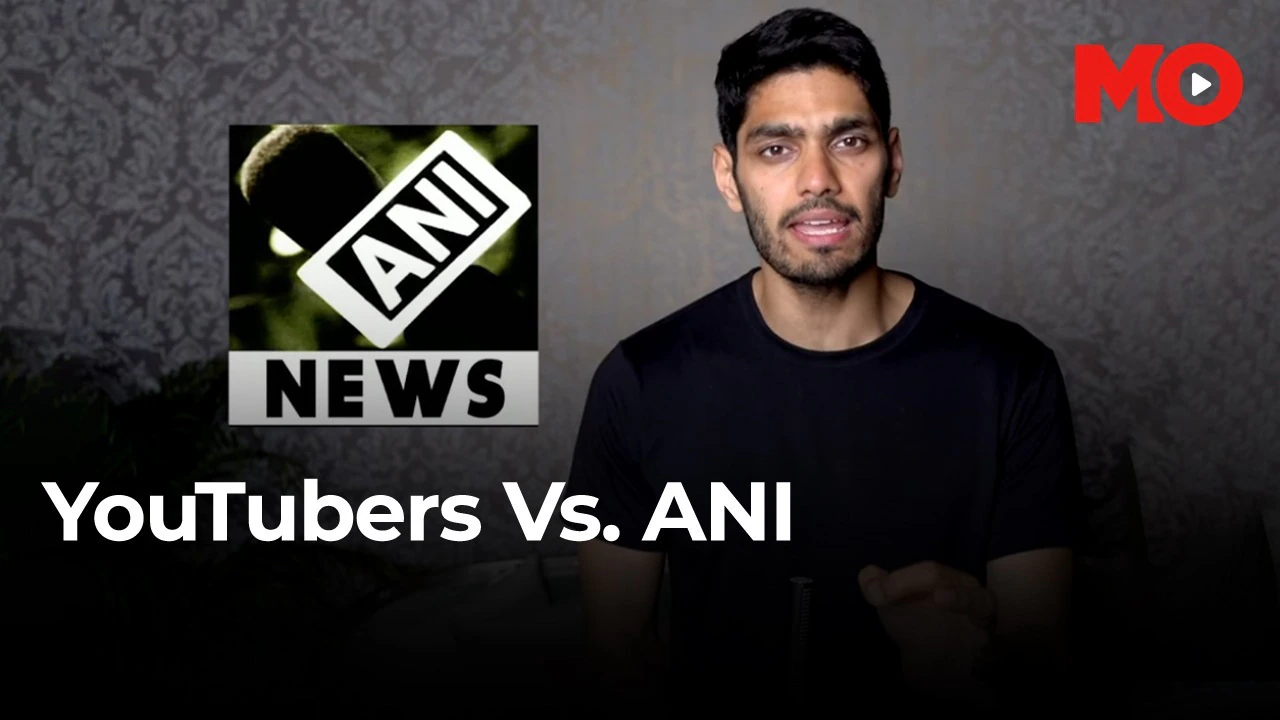
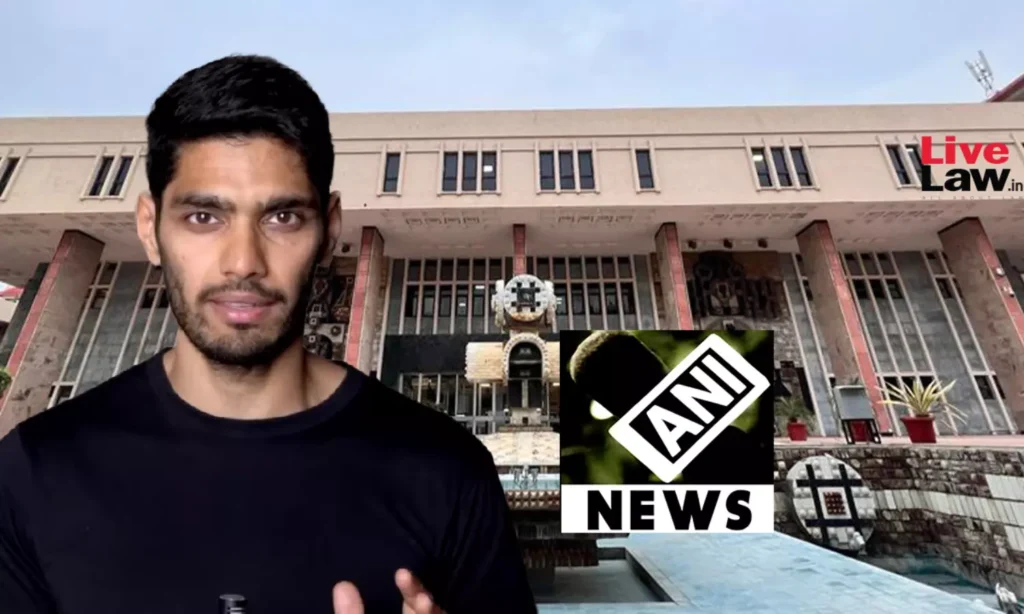
Mohak Mangal, a prominent Indian YouTuber known for his sharp socio-political commentary, recently found himself at the center of a high-stakes legal battle with Asia’s largest news agency, Mohak Mangal on Asian News International (ANI). The Delhi High Court’s directive for Mohak Mangal to remove a controversial video accusing ANI of “extortion” has sparked nationwide debates on defamation laws, journalistic integrity, and the boundaries of digital free speech. This unfolding drama offers critical lessons for content creators, journalists, and consumers navigating India’s complex information landscape.
Who Is Mohak Mangal?
Mohak Mangal boasts over 1 million YouTube subscribers, specializing in data-driven analysis of politics, economics, and media trends. His rise mirrors India’s independent content creator boom—where young, tech-savvy voices challenge traditional media narratives. Mohak Mangal’s videos often critique institutional power, blending statistical research with provocative storytelling. However, his scrutiny of ANI, a 50-year-old news giant supplying content to 2,000+ global outlets, triggered an unprecedented legal showdown.
The Explosive Video: Allegations Against ANI
In May 2024, Mohak Mangal published a video titled “[Redacted per Court Order],” alleging ANI engaged in “extortion tactics” against politicians and businesses. Citing unnamed sources, he claimed:
-
ANI demanded payment for “positive coverage.”
-
The agency weaponized its influence to suppress critical stories.
-
Its editorial practices compromised journalistic ethics.
The video used phrases like “blackmail machinery” and “paid news empire,” amplified by stark visuals and data graphs. Within days, it garnered 500K+ views, igniting social media fury. ANI, however, swiftly retaliated—not with a press release, but a lawsuit.
ANI’s Defamation Lawsuit: The Core Arguments
ANI, represented by top-tier legal counsel, petitioned the Delhi High Court to remove the video, calling it a “malicious, unverified character assassination.” Key arguments included:
-
Reputational Harm: ANI argued the video could cripple its credibility among global clients like BBC and Reuters.
-
Lack of Evidence: No documentary proof (emails, contracts, victim testimonies) substantiated Mohak Mangal’s “extortion” claims.
-
Irresponsible Language: The agency cited Mangal’s use of hyperbolic, incendiary terms as a deliberate attempt to incite public hostility.
As The Times of India reported, ANI emphasized that “opinion cannot masquerade as fact.”
Delhi High Court’s Landmark Ruling
On July 10, 2024, Justice Neena Bansal Krishna delivered a scathing order:
-
Immediate Takedown: Mangal must delete the video within 48 hours.
-
Defamation Prima Facie Established: The court noted the video’s language was “recklessly provocative” and unsubstantiated by evidence.
-
Danger of Virality: Justice Krishna warned that digital content’s viral nature magnifies reputational damage, demanding higher accountability from influencers.
Crucially, the judge dismissed Mangal’s “fair comment” defense, stating, “Free speech does not encompass the right to destroy reputations via baseless allegations.” The ruling, as Storyboard18 analyzed, sets a precedent for holding digital creators to legal standards akin to traditional media.
Mangal’s Defense: Free Speech vs. Responsibility
Mangal’s legal team contended the video was “analysis, not accusation,” citing:
-
Public Interest: ANI’s influence warranted scrutiny.
-
Satire/Opinion Protections: Framed harsh language as rhetorical critique.
-
Right to Dissent: Argued the case could chill legitimate media criticism.
However, the court remained unconvinced. Legal experts note that while India’s Shreya Singhal verdict (2015) protects online speech, it doesn’t shield defamation. Mangal’s failure to provide evidence proved fatal to his case.
ANI’s Legacy: Why Reputation Matters
Founded in 1971, ANI is India’s oldest and most extensive news agency, with 100+ bureaus globally. It has covered historic events from the Emergency (1975) to the Kargil War (1999), serving as a primary source for India’s English and regional media. The agency’s reputation hinges on neutrality—a pillar Mangal’s video directly threatened. As ANI’s counsel argued, “News agencies survive on trust; once eroded, recovery is impossible.”
Broader Implications: Digital Media at a Crossroads
This case reflects three seismic shifts in India’s media ecosystem:
-
Creator Accountability: YouTubers/influencers face growing legal scrutiny. India’s 2023 Digital Personal Data Protection Act amplifies liability for harmful content.
-
Media Polarization: ANI is frequently accused of pro-establishment bias, while critics label creators like Mohak Mangal l “anti-national.” This clash fuels India’s information wars.
-
Ethical Journalism: Both sides face questions—ANI on transparency, Mohak Mangal on verification. The Press Council of India’s guidelines mandate evidence-based reporting, a standard applying to digital creators.
Harvard’s Nieman Lab notes similar global trends, where courts increasingly treat viral content as “digital publications” subject to libel laws.
What’s Next for Mangal and ANI?
While the video is down, the battle isn’t over:
-
ANI may seek damages (potentially crores) in ongoing proceedings.
-
Mohak Mangal could appeal, arguing the ruling stifles public-interest journalism.
-
Regulatory bodies may draft “Influencer Guidelines” clarifying legal boundaries.
For creators, the message is clear: critique fiercely, but arm yourself with evidence. As veteran journalist P. Sainath warns, “Opinion is free, but facts are sacred.”
Conclusion: Truth, Trust, and the Tightrope of Free Speech
The Mohak Mangal-ANI saga underscores a digital-age dilemma: balancing accountability with expression. While Mangal’s allegations resonated with audiences distrustful of mainstream media, the court’s intervention highlights that credibility cannot be sacrificed at the altar of virality. In an era of deepfakes and misinformation, rigorous journalism—whether by ANI or independent creators—remains society’s best defense. As the dust settles, one truth endures: the right to speak freely includes the duty to speak truthfully.