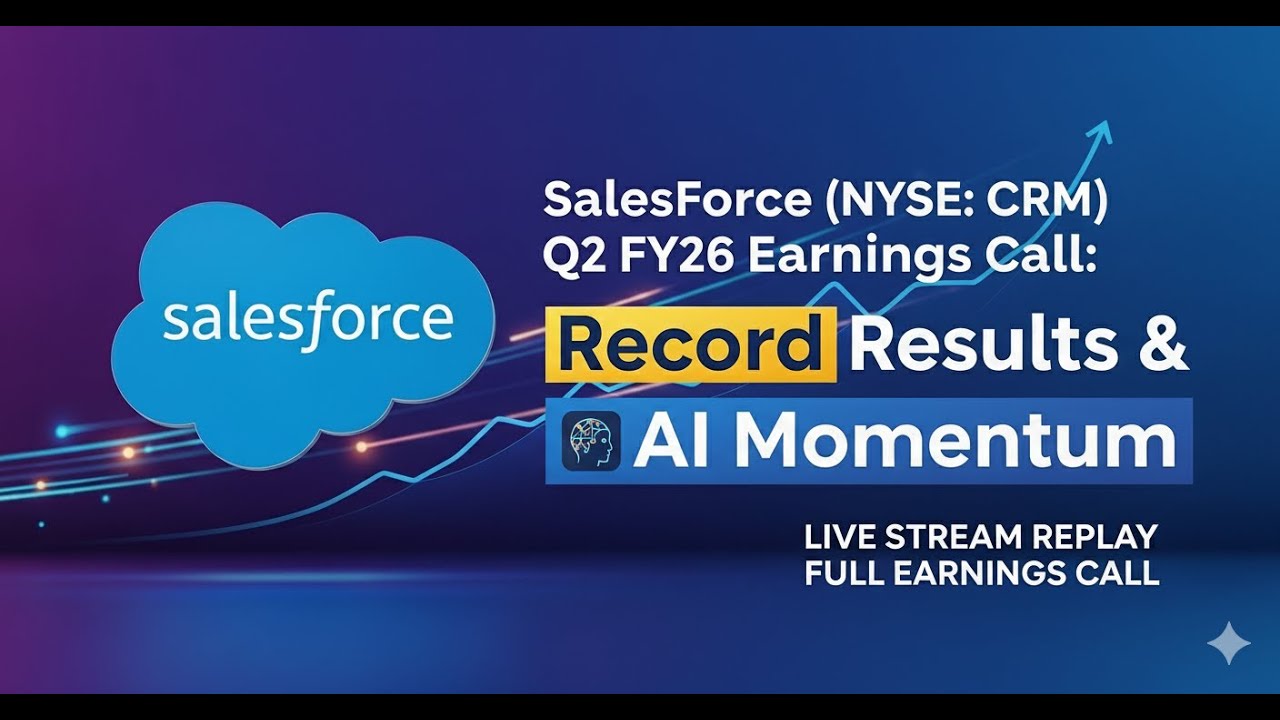
The business software world is buzzing, and at the center of it all is Customer Relationship Management CRM giant, Salesforce. If you’ve been tracking the ticker CRM stock, you already know it’s been a headline-grabber this week. The catalyst? A blockbuster Q2 2026 earnings report that has investors, analysts, and the tech industry at large sitting up and taking notice.
This isn’t just a story about beating quarterly estimates; it’s a narrative about a legacy tech pioneer successfully navigating the AI revolution and reasserting its dominance. In this deep dive, we’ll unpack the key numbers from the earnings report, explore the strategic moves behind the success, and analyze what this means for the future of CRM stock.
The Headline Numbers: A Quarter of Strength and Confidence
On September 3rd, 2025, Salesforce released its financial results for the second quarter of fiscal year 2026, and the figures painted a picture of robust health and accelerated growth.
- Revenue: The company reported a staggering $9.15 billion in revenue, comfortably surpassing Wall Street projections. This represents a significant year-over-year increase and demonstrates the unwavering demand for its suite of cloud-based software solutions.
- Earnings Per Share (EPS): On an adjusted basis, Salesforce posted earnings of $2.96 per share, crushing analyst estimates. This bottom-line strength is a critical indicator of profitable growth, not just top-line expansion.
- Profitability: The company’s operating margins continued to expand, a key metric that management has been intensely focused on over the past few years. This disciplined financial execution is winning praise from even the most skeptical investors.
- Guidance: Perhaps the most confident signal sent to the market was the raising of its full-year revenue and profit guidance. This forward-looking optimism suggests that management sees the current tailwinds, particularly in AI, continuing well into the future.
Beyond the Numbers: The Strategic Pillars of Success
Anyone can have a good quarter, but Salesforce’s success is built on a multi-year strategic transformation. The earnings call, led by Chairman and CEO Marc Benioff, highlighted several core drivers:
1. The AI Revolution is Here, and Salesforce is a Leader
The single biggest theme echoing through the report was the transformative impact of Einstein AI and Data Cloud. Salesforce is no longer just a database for your customers; it’s an intelligent platform that predicts customer needs, automates workflows, and personalizes interactions at an unprecedented scale.
Enterprises are increasingly investing their budgets into AI-driven tools that offer a tangible return on investment. Salesforce’s integrated AI offerings, embedded directly into its core products like Sales Cloud, Service Cloud, and Marketing Cloud, are seeing massive adoption. Customers aren’t buying AI for AI’s sake; they are buying Salesforce solutions that are smarter, more efficient, and more predictive, and they are willing to pay for this premium functionality.
2. Profitability and Operational Discipline
The story of Salesforce has evolved from “growth at all costs” to “efficient and profitable growth.” Under the stewardship of President & CFO Amy Weaver, the company has implemented rigorous cost-control measures, streamlined operations, and improved profit margins without stunting innovation. This financial maturity has made CRM stock far more attractive to a broader base of investors who value sustainable earnings.
3. The Unmatched Ecosystem and Integration
Salesforce’s power lies in its ecosystem. By offering a fully integrated platform that handles everything from sales and customer service to marketing and data analysis, it creates a “sticky” product suite. Once a company embeds Salesforce into its operations, the cost and complexity of switching to a competitor become prohibitively high. This creates a formidable economic moat and a predictable, recurring revenue stream via subscriptions.
The Benioff Factor: Leadership and High-Profile Alliances
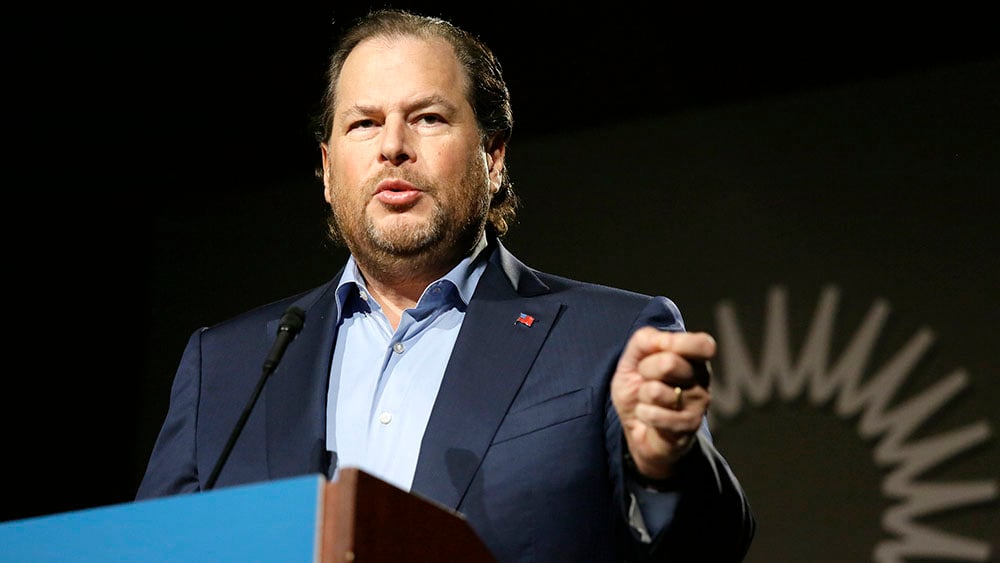
A company’s stock isn’t just moved by spreadsheets; narrative and perception play a huge role. Recently, CEO Marc Benioff found himself in the spotlight for a different reason. He shared a photo on social media with none other than Elon Musk, the CEO of Tesla and SpaceX, captioned “The boys are back in town.”
While seemingly a casual social post, it ignited speculation within the tech community. Could this hint at a deeper strategic partnership between Salesforce and X (formerly Twitter) or another Musk venture? While nothing concrete has been announced, such high-profile alliances signal Benioff’s extensive network and influence. For investors, a visionary and well-connected leader can be as much of an asset as a strong balance sheet. This kind of news keeps Salesforce in the cultural conversation, reinforcing its brand as a central pillar of the tech industry.
What This Means for CRM Stock: Analyst Sentiment and Future Outlook
Following the earnings announcement, analyst sentiment has been overwhelmingly positive. Several major firms have raised their price targets for CRM stock, reflecting increased confidence in the company’s growth trajectory and execution capabilities.
- AI is the New Growth Engine: Salesforce has successfully pivoted its story to AI, and the market is rewarding it. This isn’t a hypothetical future product; it’s a current revenue driver.
- A Balanced Bet: Investors get the growth potential of a tech disruptor coupled with the financial stability of a established, profitable giant. This combination is rare and highly sought after.
- Economic Resilience: Even in uncertain economic times, businesses prioritize tools that help them sell more, market better, and serve customers efficiently. Salesforce’s products are viewed as essential, not discretionary, spending for its clients.
Of course, risks remain. The competitive landscape is fierce, with rivals like Microsoft, Adobe, and Oracle constantly innovating. Economic downturns could still pressure client spending, and the lofty expectations baked into the stock price leave little room for missteps.
Conclusion: Is CRM Stock a Buy?
Salesforce’s Q2 2026 earnings report was a masterclass in execution. It demonstrated strong financial performance, validated its high-stakes AI strategy, and reinforced confidence in its leadership.
For investors looking at CRM stock, the question isn’t just about past performance but future potential. With AI revenues accelerating, margins expanding, and guidance raised, the momentum is undeniably strong. While past performance is not indicative of future results, Salesforce has made a compelling case that it is not just participating in the AI gold rush—it’s selling the picks and shovels that every other business needs to succeed.