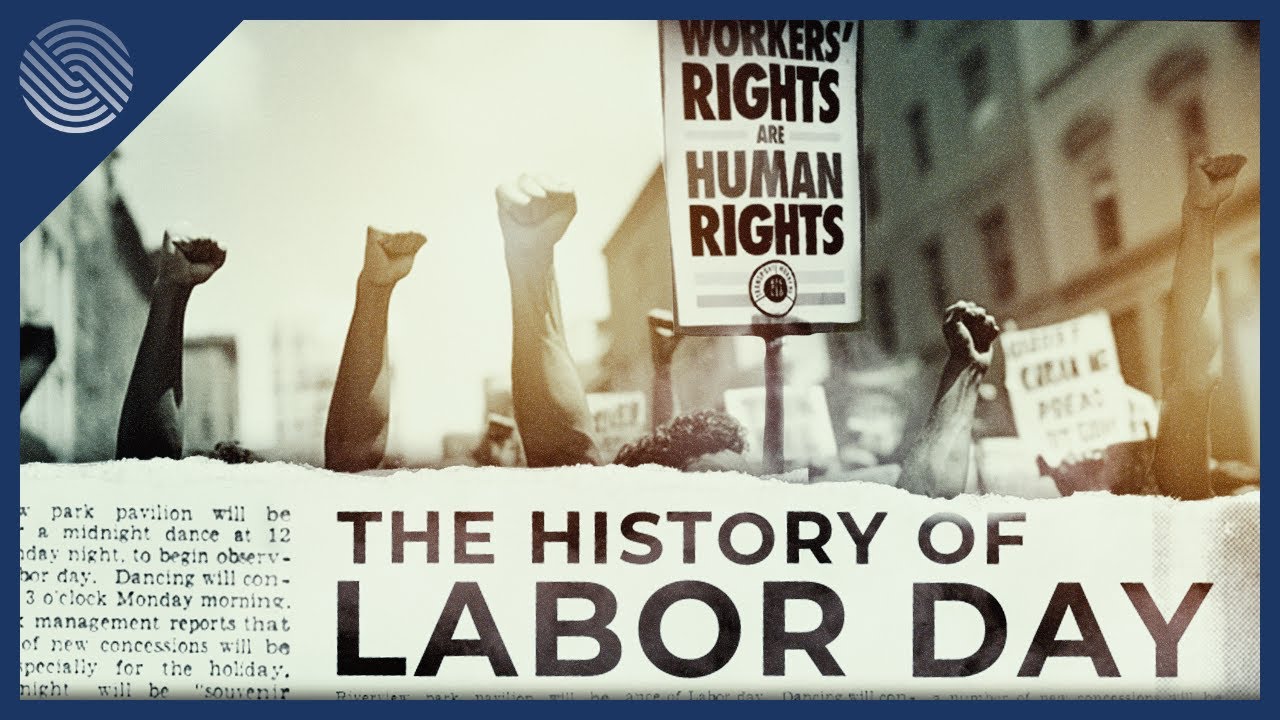
Every first Monday of September, the United States comes alive with parades, barbecues, and backyard gatherings. For many, Labor Day signifies the unofficial end of summer—a long weekend for relaxation and retail sales. But beneath the surface of this cheerful holiday lies a forgotten history of struggle, sacrifice, and the relentless fight for the rights of the American worker. The true story of Labor Day is far more radical and significant than most people realize.
The Industrial Crucible: Why Labor Day Was Needed
To understand the birth of Labor Day, one must first picture the brutal reality of American industrial life in the late 19th century. The era of rapid industrialization, often called the Gilded Age, was a time of vast inequality. For the average factory worker, life was grueling.
- Extreme Hours: A 12 to 16-hour workday, seven days a week, was standard.
- Dangerous Conditions: Factories were deathtraps with no safety regulations. Injuries were common, and workers’ compensation was non-existent.
- Child Labor: Young children worked in mills and mines for a fraction of adult wages.
- Poverty Wages: Workers, including recent immigrants and entire families, lived in squalid slums, struggling to survive on meager pay.
In this cauldron of injustice, the labor movement was born. Workers began to organize into unions, demanding dignity, fair pay, and, most importantly, a fundamental change: the eight-hour workday. Their motto was simple: “Eight hours for work, eight hours for rest, and eight hours for what we will.”
This growing unrest set the stage for a series of events that would forever change the American workplace.
The Two Contenders: Peter McGuire vs. Matthew Maguire
The official origin of Labor Day is a point of historical debate, centering on two key figures with strikingly similar names.
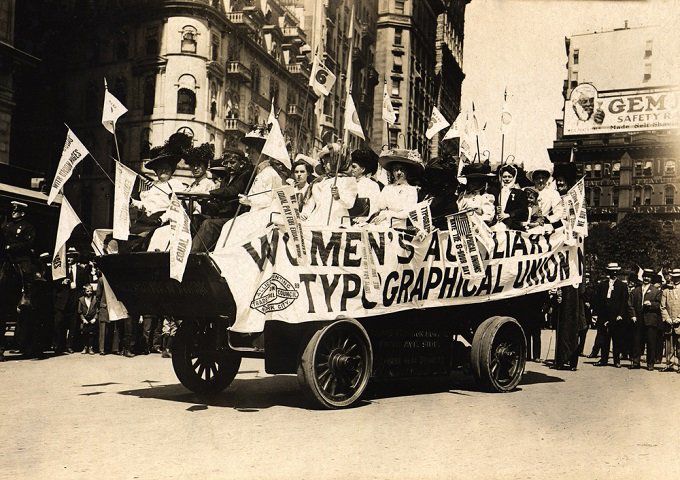
The traditional story, long promoted by the AFL-CIO and the U.S. Department of Labor, credits Peter J. McGuire, a co-founder of the American Federation of Labor. A carpenter and union leader, McGuire reportedly proposed a holiday to honor the American worker at a union meeting in New York in May 1882. He suggested a street parade to show “the strength and esprit de corps of the trade and labor organizations,” followed by a festival for workers and their families.
Why the confusion? Some historians argue that because Matthew Maguire was later the Socialist Labor Party’s candidate for vice president, the more mainstream AFL-CIO found it politically advantageous to champion the less radical Peter McGuire as the holiday’s father. Regardless of who first had the idea, the movement was now undeniably underway.
The Haymarket Affair: The Turning Point
The fight for the eight-hour day reached a climax in 1886. A nationwide general strike was called for May 1, 1886 (which would later become International Workers’ Day). In Chicago, a center for labor activism, tensions were especially high.
The Haymarket Affair resulted in the deaths of seven police officers and at least four civilians. Dozens more were wounded. In the ensuing hysteria, eight anarchists were convicted, largely on circumstantial evidence and their political beliefs rather than any proof of involvement in the bombing. Four were hanged.
The Haymarket tragedy was a PR disaster for the labor movement in the short term, vilifying radicals and anarchists. But it also became a powerful international symbol of the struggle for workers’ rights and the price paid for them. It directly led to the establishment of May 1st as International Workers’ Day in countless countries around the world, a day to commemorate the “Haymarket Martyrs” and the fight for the eight-hour day. You can read a detailed account of this pivotal event on Wikipedia’s International Workers’ Day page.
A Political Solution: Grover Cleveland and the Creation of a National Holiday
In the years following Haymarket, the call for a workers’ holiday grew louder. Several states, starting with Oregon in 1887, passed legislation recognizing Labor Day. But it took a national crisis to make it a federal law.
In 1894, employees of the Pullman Palace Car Company near Chicago went on strike to protest drastic wage cuts and high rents in the company town. The Pullman Strike crippled the nation’s railroad traffic. President Grover Cleveland sent in federal troops to break the strike, resulting in bloody clashes and the deaths of more than a dozen workers.
Facing a massive political backlash and needing to reconcile with the American labor movement, President Cleveland and a unanimous Congress rushed through a bill to make Labor Day a national holiday. Just six days after the end of the Pullman Strike, on June 28, 1894, Cleveland signed it into law.
Labor Day Today: From Protest to Picnic
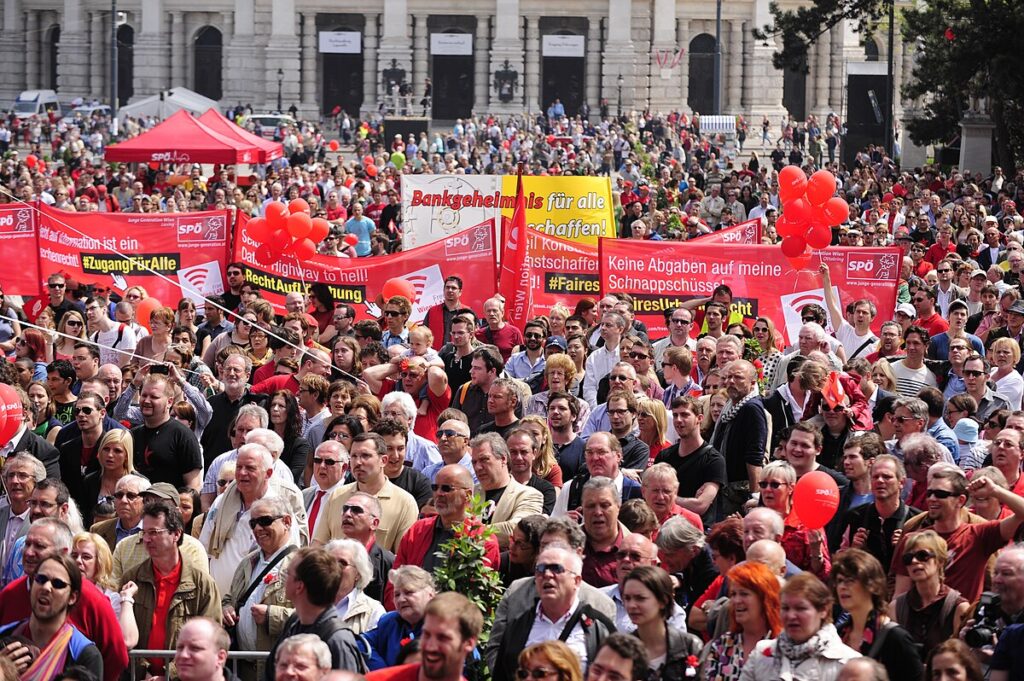
Over the decades, the sharp edges of Labor Day‘s history have softened. The powerful parades that once showcased the strength of unions have, in many cities, dwindled or disappeared. For most Americans, the day is a celebration of leisure—a final summer getaway, a sale at the mall, or a barbecue with friends.
Yet, the core significance of the holiday remains. It is a yearly testament to the courage and resilience of those 19th-century workers who dared to demand a better life. Their fights led to the very workplace standards we now consider fundamental: the eight-hour day, weekends, safety regulations, and the end of child labor. The ongoing struggle for fair wages, safe working conditions, and social justice in the workplace continues their legacy.
As reported by outlets like NDTV, the holiday remains a fixed point in the American calendar, a day of rest whose origins are a powerful reminder of the progress forged through collective action.
The Legacy: Why the History Still Matters
Remembering the true history of Labor Day is more than an academic exercise. It’s a crucial part of understanding the rights we have today and the importance of protecting them. The weekend, the 40-hour work week, and basic safety protocols were not gifts from benevolent employers; they were hard-won victories paid for with the dedication and sometimes the lives of countless laborers.